In the last few years, the European Union (EU) has experienced a massive transformation in the spirit industry. This shift has been underwayaEUR”one which speaks to the evolving preferences, tastes, and conscious choices of the consumer. As the EU accepts sustainability as a priority and more consumers seek alternatives to traditional alcohol, the rise of sustainable alcohol-free spirits has become an exciting trend. In this article, we embark on a tour to discover this intriguing new trend.
The rise of Sustainable Spirits in the EU
The EU’s Alcohol Market
The landscape of the alcohol market in the EU is going through a dramatic transformation. The past, alcoholic beverages have played a prominent role in European society, with wine beers, whiskey and vodka being a staple of social gatherings and meals. However, in recent years, an interesting trend has emergedaEUR”consumers are becoming more conscious of their choices.
The EU alcohol market, once mostly defined by the consumption of alcohol drinks, is now shifting toward more sustainable, healthier, in addition to alcohol-free versions. The desire for mindful consumption driven by health-related concerns or social responsibility environmental awareness is bringing about the new age of spiritsaEUR”the type that is non-alcoholic and sustainable.
The Emergence of Alcohol-Free Spirits
In the forefront of this trend are innovative companies that have noticed the changing consumer preferences. These forward-thinking companies have responded by introducing a range of alcohol-free spirits, which do not only offer an alternative to traditional alcohol, but also prioritize sustainability.
The rise of alcohol-free spirits is an enormous change from the past. They are devoid of alcohol, yet full of flavor bring out the essence of traditional beverages without the intoxicating effects. Although the idea for alcohol-free spirit isn’t new, the focus on sustainability and environmental sustainability is a recent and crucial development.
This article will go deeper into this exciting development, reviewing the environmental consequences on traditional alcohol production as well as how sustainable practices are being integrated into the production liquors that do not contain alcohol. In the coming sections, we will look at the fascinating process of making these beverages, from sourcing ingredients to eco-friendly production processes in addition to responsible packaging and distribution.
So, let’s go on the journey together to discover how EU sustainable alcohol-free spirits are shaping a greener and more mindful future. In the following section we’ll explore the environmental impact of traditional alcohol production and how it’s pushing people to make more sustainable choices.
Continue to read: Its Environmental Effects from Traditional Alcohol Production
Keywords: EU Sustainable alcohol-free spirit, market for alcohol within the EU sustainable spirits alcohol-free alternatives and mindful consumption, environmental awareness, sustainable and alcohol-free spirits, sustainability in liquor-free brands, ingenuity, environmental impact of traditional spirits, sustainable choices.
Direct Wholesale Benefits: Order Premium Non-Alcoholic Spirits from Swedish Distillers!
The Environmental Impact of Traditional Alcohol Production
When one thinks of manufacturing alcohol, the image most often that comes to mind is beautiful wineries, baroque breweries, or sophisticated distilleries. These scenes can exude style and character However, they also have huge environmental impacts. In this section this article, we’ll go over the environmental impacts of traditional methods of alcohol production and the ways they’ve been a factor in the rising demand for sustainable alternatives.
A Hidden Price of Traditional Alcohol Production
Traditional methods for producing alcohol were practiced for a long time with the majority of them passed down over generations. These processes typically involve cultivation of specific crops (such as grains, grapes, or sugarcane) along with distillation, fermentation, aging, and bottling. While these practices might seem like natural processes, they actually have major negative environmental effects:
1. Resource Intensity
a. Land Use
Traditional production of alcohol typically necessitates huge tracts of land for agriculture. Agriculture of various crops such as grapes or grains necessitates significant areas of land, which could otherwise be used for many different and sustainable uses.
b. Consumption of Water
The production of alcohol-based beverages is notoriously water-intensive. From irrigation for crops to actual distillation and fermentation processes, huge quantities of water are consumed. This presents challenges for regions where water scarcity is a pressing issue.
2. Energy Consumption
Traditional maturation and distillation processes are consume a lot of energy. Utilizing fossil fuels to power distillery operations contributes to the emission of greenhouse gases and contributes to climate change. In addition, the ageing of spirits in wooden barrels demands extensive storage facilities, often necessitating temperature control and a further costs for energy.
3. Chemical Usage
Pesticides, fertilizers and other chemicals are commonly employed in agriculture to safeguard crops and enhance yields. The chemical runoff produced by conventional farming practices can result in environmental degradation and water pollution in negative ways, affecting ecosystems as well as the health of humans.
A Shift Towards Sustainable Alternatives
As concerns about the impact of climate change, resource depletion and environmental degradation increase, consumers are becoming more and more discerning. They’re now looking for products that align with their values of commitment to sustainability and social responsibility. The shift in consumer expectations has opened the way to alternative options that are sustainable, like alcohol-free spirits.
In the following section where we’ll discuss exactly how production of EU sustainable spirits that are alcohol-free is changing its environmental footprint. From the most innovative sourcing practices to environmentally friendly production processes these alternative methods are setting a new standard for sustainability in the spirit industry.
Keep reading The sustainability of EU Alcohol-Free Spirits
Keywords: the environmental impacts of the production of alcohol Traditional methods for alcohol production as well as the impact of resource use in alcohol production, land use in alcohol production as well as water consumption in the process of making alcohol, energy consumed in the process of producing alcohol, chemical usage in alcohol production and sustainable alternatives for climate change and environmental degradation, consumer preferences and sustainability of alcohol-free spirits.

Sustainable Alcohol-Free Spirits The Greener Alternative
In the preceding sections of this article, we reviewed the environmental impacts of traditional production of alcohol and the shift in consumers’ preferences toward sustainable. Now, let’s delve deeper to the world of sustainable alcohol-free spirits to see why they are helping pave the way to a healthier and more responsible future.
The birth of sustainable, alcohol-free Spirits
The idea of spirits that are alcohol-free might seem contradictory at first glance. After all, spirits have always been viewed with alcohol content. However, innovative and forward-thinking distilleries are challenging this perception by crafting alcohol-free alternatives that reflect the spirit of traditional spirits and without alcohol.
What are sustainable alcohol-free Spirits?
Spirits that are sustainable alcohol-free, commonly referred to as “spirits alternatives,” can be described as drinks that are reminiscent of the aromas, flavors, and complexity of traditional spirits but include a small amount of alcohol. They are made by blends of botanicals spices, herbs, along with other natural ingredients every ingredient is carefully selected to deliver unique sensory pleasure.
The Environmental Benefits
1. Reducing the footprint of land and water
One of the primary environmental benefits associated with sustainable alcohol-free spirits is the reduction in footprint of land and water. Differently from traditional alcohol production which requires extensive agricultural space as well as water for growing crops Spirits alternatives tend to obtain their ingredients in a more efficient manner. This means that less resources are used up, which frees space and water to be used for more sustainable purposes.
2. Lower Energy Consumption
The production of alcohol-free spirits typically utilizes less energy when opposed to traditional distillation the process of aging. This translates to a lower carbon footprint as well as less CO2 emissions. While the world wrestles with the consequences of climate changes, energy savings become increasingly vital.
3. Minimal Chemical Usage
Spirits that are made from sustainable alcohol free sources are produced with a keen eye on purity and sustainability. This means minimal or zero chemical ingredients, pesticides, or fertilizers are used during their manufacturing. In avoiding toxic chemicals frequently used in traditional farming, these alternatives will help create healthier ecosystems and clean water sources.
Answering Consumer Demand
Consumers today are more informed and conscious about the products they purchase. They look for products that align with their beliefs, which includes social and environmental sustainability. Sustainable alcohol-free liquors meet this requirement by offering guilt-free and eco-friendly drinking experience.
These products aren’t just appreciated by those who abstain from alcohol, but also by those who want to lessen their intake, regardless of reasons of health, social or personal motives.
What’s ahead
In the following section we’ll explore notable EU brands and distilleries who have chosen to use sustainable alcohol-free spirits. We’ll take a examine their innovative methods with unique products, as well as the impact they’re making in the spirit industry.
Keep reading Being the leader in Green Revolution: EU Sustainable Brands that are Alcohol-Free
Keywords: environmentally sustainable spirits that do not contain alcohol alternatives to spirits, eco benefits, lower land and water footprints, a lower the use of energy and less chemical usage, meeting the needs of consumers, EU brands, distilleries new approaches, driving an eco-friendly revolution.
The leader of an initiative to lead the Green Revolution: EU Sustainable Brands of Alcohol-Free Spirits
As consumer preferences continue to shift towards sustainable and environmentally responsible in the 21st century, a lot of European Union (EU) distilleries and brands are pioneering the production of sustainable alcohol-free spirits. In this section we will take a look at some important EU brands and distilleries who have joined the green revolution and are setting the pace in the spirits sector.
The rise of Sustainable Spirits from the EU that are Alcohol-Free Brands
A commitment to sustainability
EU distilleries and brands have a long-standing tradition of producing top-quality spirits. But, as the world faces environmental challenges this industry is embracing their new mission: sustainability. They recognize the need reduce their carbon footprint and conserve precious resources, and push for sustainable consumption.
Innovative Approaches
To ensure sustainability, EU brands are employing unique approaches to alcohol free spirit production. These approaches involve using locally sources of organic ingredients using energy-efficient methods of production and even adopting circular economic principles.
Notable EU Sustainable brand names that are alcohol-free
1. Seedlip
-
The background: Seedlip usually identified as one of leaders in the sustainable alcohol-free spirits movement. It was founded in the United Kingdom, the brand has earned international recognition for its unique spirit options.
-
sustainability initiatives Seedlip has placed a large emphasis on sustainability, procuring ingredients from farms in the area and using environmentally-friendly packaging. They’ve also introduced initiatives to encourage biodiversity and conservation.
2. Rutte
-
The background: Rutte an Dutch distillery that has a long story that goes back to 1872. It has also introduced the first alcohol-free spirit range that respect their traditional craftsmanship while encouraging sustainability.
-
Sustainability-related Initiatives Rutte focuses on using natural botanicals as well as reducing consumption in their processes of production. They also participate in eco-friendly projects within their local community.
3. CalenIfo
-
Background CalenIfo is a Spanish company. Spain is known for its vibrant and tropical-inspired spirit, that is alcohol free and ideal for cocktails and social gatherings.
-
Sustainability Initiatives: CalenIfo has committed to sourcing ingredients in a responsible manner and supporting ethical labor practices and minimizing their environmental impact.
Effects on Spirits Industry
These EU sustainable spirits that are alcohol-free are not just offering environmentally friendly alternatives for traditional spirits, but are additionally generating change within the industry. While they are gaining popularity, other distilleries and brands are starting to notice and are beginning to adopt more sustainable methods of production.
The rise of these brands indicates the increasing awareness of environmental concerns and a need for sustainable and responsible consumption from consumers. It’s apparent that sustainability isn’t only a fashion statement; it’s becoming a major aspect of the spirits industry’s future.
In the next section we’ll be taking a closer look at the global impact of sustainable alcohol-free spirits as well as the role they play to shape the direction of beverage production.
Continue reading: Shaping the Future The Global Impact of Sustainable Alcohol-Free Spirits
Keywords: EU sustainability of alcohol free spirits that are committed to sustainability new approaches, Seedlip, Rutte, CalenIfo, influence on the spirits industry, responsible consumption, future of the industry of beverages.
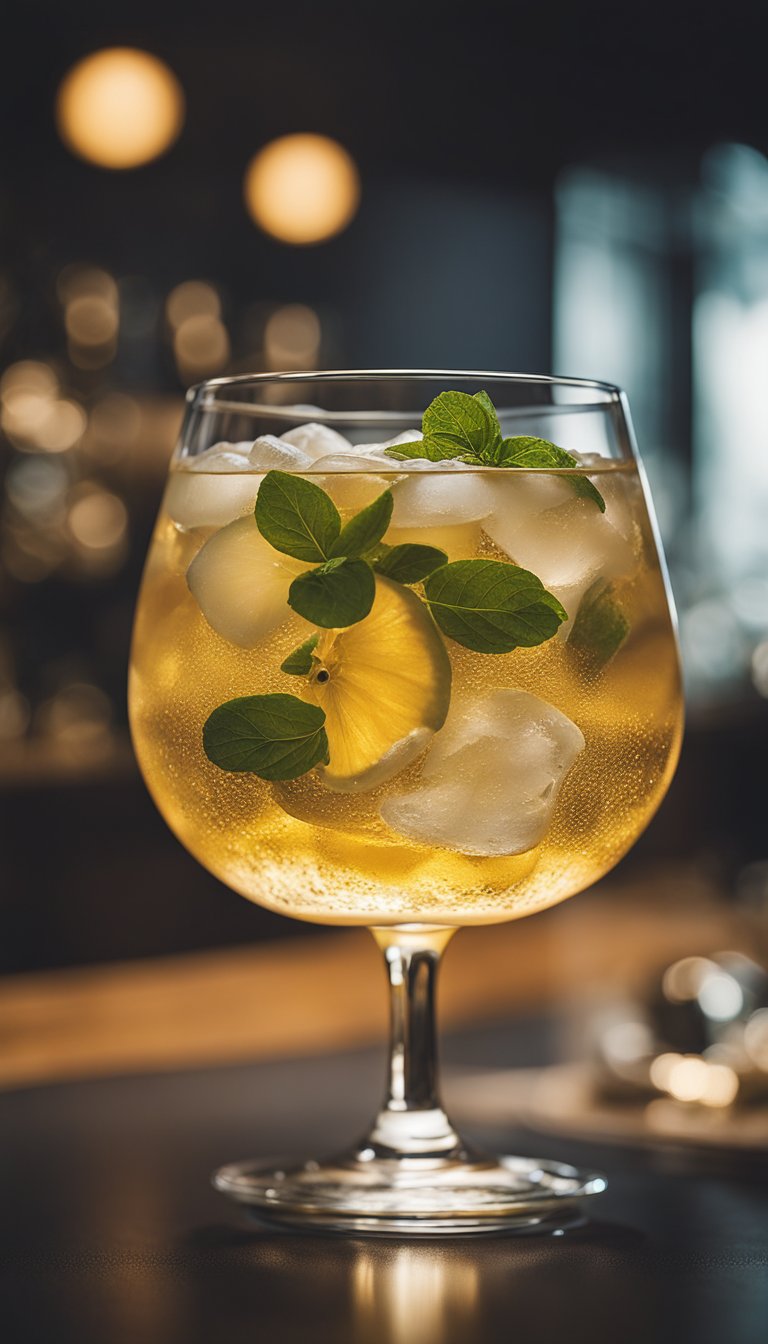
Shape the future: Global Effects of Sustainable Alcohol-Free Spirits
In the preceding parts of this series, we embarked on a journey into the dynamic world of sustainable alcohol-free spirits within the European Union (EU). We explored the EU’s commitment towards sustainability, innovative methods and a few notable EU brands driving to the emergence of a green revolution. This is the final installment, we widen our lens to examine the global impact of alcohol-free spirits that are sustainable and their impact on and defining the direction of our beverage sector.
A Worldwide Shift Towards Sustainability
A Global Phenomenon
In spite of the fact that the EU has been at the forefront of the production of sustainable alcohol-free spirits, the trend is by far not restricted to its boundaries. All over the world, from North America to Asia, distilleries and brands are starting to realize the importance of sustainability and environmental responsibility in spirits production.
Consumer Demand
One of the major forces behind this global shift is the rising demand of consumers to purchase sustainable and environmentally friendly products. Nowadays, consumers are not just looking for good quality drinks, but also sustainability. They want to make decisions which align with their beliefs and minimize their environmental impact.
Broadening Horizons Brands Beyond Borders
Beyond the EU
As we’ve discussed in the previous sections we’ve seen that the EU has a number of well-known firms that support sustainability. But, we shouldn’t overlook the impact of distilleries in other regions. Brands come from such as the United States, Canada, Australia and numerous Asian countries are creating waves in the sustainability of the alcohol-free spirits market.
Special Techniques and Flavors
What sets these brand names apart is their unique regional flavors and production techniques. For example, American brands may draw their inspiration from local botanicals while Asian distilleries typically infuse their products with spices and herbs from the past.
The Impact of the Spirits Industry
The combined efforts from distilleries across the globe have a significant impact on the spirit industry. Here’s how:
Inspiring Change
The success and recognition of a variety of sustainable alcohol-free spirits are inspiring traditional distilleries and beverage companies in reevaluating the way they operate. In turn, we see a rise in the number of industry leaders using sustainable methods and environmentally conscious production methods.
A Sustainable Future
Sustainability no longer just a term, but rather an important direction for the future of the industry. From reducing carbon emissions to conserving the resources of water, spirits producers are embracing their role as stewards of the environment.
Conclusion: A Toast To Sustainability
In this series We’ve taken you on a deep look at the world’s sustainable alcohol-free spirits, from their inception as well as the latest production methods, in the past to famous EU and global brands. This journey has shown the transformational power of sustainability in the world of spirits.
As we raise a glass in celebration of these groundbreaking advances it is important to recognize that the shift to green spirits is not only a trend that is passing, but an entire paradigm change. This is a transition towards a more sustainable, responsible, and eco-friendly future for our favorite drinks.
So whatever you’re drinking, whether it’s one of the Seedlip Cocktail in London and a Rutte-inspired creation in Amsterdam, or trying the exotic flavours that CalenIfo offers in Madrid, remember that your choice is a part of a greener, more sustainable world.
Thank you for joining us on this enlightening journey through the world of sustainably produced alcohol-free spirits. As we close this chapter let’s carry this spirit of sustainability forward and make wise choices about the drinks we consume.
Review of the Series:
-
The rise of EU Sustainable Alcohol-Free Spirits Brands
-
Sustainable Alcohol-Free Spirits: The Global View
-
innovative production methods for sustainable, alcohol-free Spirits
-
Notable Brands within the sustainability of alcohol free spirits Movement
-
Moving the future: Global Impact of sustainable alcohol-free Spirits