understand
EU and UK Alcohol-Free Spirit Market Analysis: Understanding the Landscape
The beverage industry has seen remarkable changes in the past time due to the rise of alcohol-free spirits. This market segment is currently attracted a lot more attention and with good cause. With an increasing emphasis on health and wellness, changing consumer preferences, and a desire to provide more inclusive social interactions and experiences, alcohol-free spirits have made out a distinct niche on the market. In this detailed analysis that we’ll take a deep dive into the EU and UK alcohol-free spirits market, giving insights into its dynamic, main players, market trends, and much more.
The Importance of Alcohol-Free Spirits
Alcohol-free spirits, referred to by the name zero-proof spirits (non-alcoholic) are drinks made to replicate the taste and essence of traditional alcoholic spirits but without the alcohol content. These drinks offer a refreshing alternative for those who want a sophisticated and enjoyable drink without the negative effects of alcohol. In a time of an enormous transformation, alcohol-free spirits have become an important player in meeting the ever-changing preferences of consumers.
Scope of the Market Analysis
The purpose of this market analysis is to provide a comprehensive understanding of that EU and UK alcohol-free spirit market. We will look at various aspects of this industry, which range from its origins and its historical context, through the most important players and brands and market trends, as well as consumer preferences, issues, and opportunities. At the end of this report, readers will learn valuable information about the present state of the market for alcohol-free spirits and its potential to grow.
The structure of the article
In order to ensure clarity and consistency This article will be divided into multiple sections, each focusing on an individual section of EU and UK alcohol-free spirit market. In the next section, we will define alcohol-free spirits, explore their rise, and analyze the market’s size as well as growth trends. Later sections will provide detailed analysis, such as profiles of the major players as well as market trends, consumer preferences, and the challenges as well as opportunities that lie ahead.
In the next section we’ll explore what is known as alcohol-free spirit, defining what they are, and why they are relevant in today’s drink market. We will also look at their historical background and how they’ve evolved into a powerful factor in the market. We will also examine details about the size of the market as well as trends that are driving the market’s growth.
Are you ready to set off on a journey into the fascinating world that is alcohol-free spirits? We’ll begin by determining the essence of these drinks and their significance in the ever-changing industry scene.
Direct Deals, Superior Quality: Order Your Non-Alcoholic Spirits from Swedish Distillers!

Brands and Key Players Making a difference in the EU and UK Alcohol-Free Spirit Market
As we dig deeper into our study of the EU and UK alcohol-free spirit market, it is evident that the industry is not only growing but also evolving rapidly. In this article we’ll be focusing on the main players and brands who drive innovation and competition within this fast-paced market.
The Pioneers of Alcohol-Free Spirits
Seedlip – Setting the Standard
It’s impossible to discuss spirits that are alcohol-free without talking about Seedlip. The company was founded in 2015 by Ben Branson in 2015, Seedlip is widely acknowledged as the pioneer of the alcohol-free spirit movement. Branson’s passion for botany, as well as distillation inspired him to develop the world’s first non-alcoholic distilled spirit. It offers a range of distinct flavours and an exceptional drinking experience.
Seedlip’s product line includes Garden 108, Spice 94, as well as Grove 42, each crafted using a distinct blend of botanicals. The company’s commitment to quality and innovation has earned it a prominent spot in the alcohol-free spirit industry.
Lyre’s is a Crafter of Authenticity.
Another major player in the market is Lyre’s. The Australian brand has gained a lot of attention through its commitment to creating alcohol-free spirits that match the aroma and taste of their alcoholic counterparts. From gin and rum to vermouth and whiskey, Lyre’s offers a diverse range of non-alcoholic options for people who want to enjoy a genuine tasting experience but without the alcohol.
Growing Horizons Diverse Labels and Diverse Flavors
The brands Seedlip and Lyre’s certainly contributed to the success of they are not the only ones. EU and UK alcohol-free spirit market is teeming with an array of brands each with their own approach to crafting non-alcoholic beverages. Here are a few more brands to keep an eye on:
A+corn Aperitifs
A+corn Aperitifs focus on bringing you non-alcoholic drinks that capture the spirit of the evening drink enjoyment. Their products are great for those seeking to indulge in the ritual of aperitif hour and without the alcohol.
Ceder’s
Ceder’s is a gin brand that draws inspiration from the South African Cape and combines it with Swedish water to create alcohol-free gin alternatives. Their devotion to botanicals as well as handcrafted products is evident from their selection of products.
The role of Mixologists and Bartenders
As the need for alcohol-free spirits increases as the demand for alcohol-free spirits increases, the role of mixologists and bartenders grows increasingly crucial. They are skilled professionals who play a crucial role to create innovative and intriguing non-alcoholic cocktails that showcase the flavours and variety of non-alcoholic spirits.
Trends to Watch
Flavor Innovation
One of the major trends of the alcohol-free spirits market is the constant quest for distinctive and appealing flavours. Brands are playing around with various botanicals including spices, herbs, and plants to develop products with a broad palette of taste buds.
Premiumization
Consumers are eager to buy premium alcohol-free spirits that offer top-quality drinking experiences. Brands are responding with beverages that can compete with their alcohol counterparts in regards to packaging style, presentation, as well as flavor as well as complexity.
Sustainability
Sustainability is an important factor in the beverage industry in general, and the alcohol-free spirit market is not an exception. The brands are focusing on sustainability in production, sourcing and packaging to match consumer values.
When we look at the major players and brands within the EU and UK alcohol-free spirit market, it’s evident that creativity, authenticity and variety are the mainstays of this ever-changing market. In the next section we’ll examine the trends in the market that are influencing what the future holds for alcohol-free spirits.
The art of creating the perfect alcohol-free drink: Tips and tricks
In our examination of how to navigate the EU and UK alcohol-free spirits market we’ve found the most innovative companies and key players who are driving innovation in this rapidly growing industry. In the next step of our journey, let’s shift our focus to creating the perfect alcohol-free cocktail. Be it a mixologist with years of experience or are a seasoned home brewer These tips and tricks will help you elevate your non-alcoholic cocktail game.
Take advantage of the wide range of alcohol-free Spirits
Diversity is the Spice of Life
The most exciting aspects of the market for alcohol-free spirits is the diverse range of choices to choose from. From whiskey that is infused with botanicals to vodka and substitutions for gin, there’s non-alcoholic spirit for every flavor. Play around with different bases and discover new flavor profiles.
Take a look at the occasion
Consider the occasion when creating your alcohol-free cocktail. Do you want to have a relaxed evening in, a brunch or dinner gathering, or a sophisticated dinner gathering? Create a drink that is suited to the mood and location picking ingredients that compliment the ambience.
Elevate Your Ingredients
Fresh is the Best
Just as in traditional mixing making use of fresh and premium ingredients is crucial. You should invest in fresh herbs, fruits and premium mixers to improve the quality and depth of your alcohol-free drinks.
Explore Syrups and Infusions
Syrups and infusions can add an extra layer of flavor to your drinks. Create your own syrups using ingredients like lavender, ginger, or rosemary. Infuse spirits with botanicals to impart distinctive aromas and flavors.
A Guide to the Art of Garnishing
A Delicious Feast for the Eyes
Garnishes not only look appealing, they can also be aromatic. Make your own with citrus twists edible flowers, and even smoke-infused herbs for a additional dimension of flavor to your drinks.
The Magic of Bitters
Bitters are the bartender’s secret weapon. A few drops can alter a drink, adding complexity and balance. Get to know the different kinds of bitters and enhance the flavor of your drink.
Master the Techniques
Shaking, Stirring and Mixing
Understanding when to shake and when you should stir is essential. Shaking with ice helps to aerate the ingredients, giving them a creamy texture. Stirring, by contrast makes it easy to mix without mixing or dilution.
It’s Ice! Matters
Ice isn’t only to cool; it will affect the diluting and presentation of your cocktail. Test different kinds of ice ranging from large cubes and crushed ice to achieve the desired result.
Recipes to inspire
Citrus Sparkler
- 2 oz alcohol-free citrus spirit
- 1 oz fresh lemon juice
- 0.5 oz simple syrup
- Soda water
- Lemon twist and mint sprigs to garnish
Instructions:
- In a shaker or container, mix the alcohol-free citrus spirit as well as fresh lemon juice basic syrup.
- Shake vigorously using ice.
- Pour the drink into a glass topped with water and ice.
- Then top with soda water and garnish with a lemon twist and a garnish of fresh mint.
Herbal Elegance
- 2 oz alcohol-free gin alternative
- 0.5 oz lavender-infused syrup
- 0.5 oz fresh lime juice
- Fresh lavender sprigs and lime wheel to garnish
Instructions:
- In a mixing vessel, mix the alcohol-free version of gin along with the lavender-infused syrup the fresh juice of a lime.
- Mix gently with ice until well chilled.
- Strain into a coupe glass.
- Garnish with a fresh lavender or lime sprig, and a lime wheel.
The Next Stop New Trends
As we wrap up our study of the best alcohol-free cocktail, we’ll be digging into the emerging trends that are shaping how we think about the EU and UK the market for alcohol-free spirits. From sustainability to ingenuous flavors There’s a lot to learn within this rapidly evolving industry. Check out the next section as we explore the latest developments.
The EU and UK’s alcohol-free Spirit Market: Emerging Trends
As we delve deeper into the intricate world that is alcohol-free spirits across the EU and UK and have discovered the multi-faceted array of flavors as well as technological innovations that make up this market. In this, the fourth installment of our series, we set our sights toward the future, investigating the latest trends shaping the future of this vibrant sector. From sustainability to creative flavour profiles, there’s plenty to explore in the changing environment of alcohol-free spirits.
Sustainable Spirits Insights on Sustainable Spirits: Growing
Eco-Friendly Production
With environmental awareness on the rise, many spirits made without alcohol are moving to sustainable methods. From sustainable sources for ingredients to the reduction of their carbon footprint these brands are paving the way towards a greener future.
Eco-Packaging
Sustainable packaging is hot within the market of alcohol-free spirits. Brands are opting for recyclable simple, biodegradable or minimal designs that are geared towards eco-friendliness without compromising style.
Flavors That Refresh
Beyond the Classics
Although there are alcohol-free options to the traditional spirit readily available, a variety of brands are exploring new flavors. You can expect to see more inventive blends of plants, herbs and spices that can provide consumers a wide and intriguing variety of options.
Drink-Inspired Spirits
With the need for non-alcoholic cocktails continues increase, brands are developing spirit specifically designed to replicate the flavor and aroma of traditional liquors. These spirits open up new opportunities for mixologists and those who enjoy home entertaining.
Wellness and Mindful Consumption
Functional Ingredients
The incorporation of active ingredients, such as adaptogens and herbs known for their wellness benefits is increasing. There is a demand for alcohol-free alternatives that don’t just tantalize the palate but additionally nourish the body as well as mind.
Mindful Drinking Movements
The trend towards mindful drinking that emphasizes moderation, and slowing down, is growing in popularity. Alcohol-free spirits play an integral part in this trend providing alternatives that go along with a healthier way of life.
Collaboration and Innovation
Cross-industry Partnerships
Look out for an increase in collaboration between alcohol free spirit brands as well as other industries. From fashion to technology, these alliances are designed to bring alcohol-free alternatives to new markets and customers.
Innovative Production Techniques
As technology develops as technology improves, we can anticipate the innovation of new production techniques that improve the quality and flavor of alcohol-free spirits. Keep an eye out for brands that push the limits of the realm of innovation.
What’s next
When we finish our examination of the latest trends in the alcohol-free spirit market currently, we’re on the cusp of uncovering the future of this sector. In the next section of our series we’ll take a look at the crystal ball and look into the predictions and forecasts of the future of the EU and UK alcohol-free spirit market. Join us for this thrilling glimpse into what’s to come for the world of spirits that don’t contain the spirits.
The Future of Alcohol-Free Spirits on the EU and UK A Review and Forecast
As we are at the point of entry through the lands of alcohol-free spirits across the EU and the UK we must take stock of the wealth knowledge we’ve gained. Over the course of this five-part program, we’ve seen various terrains of this fascinating and constantly evolving market. From exploring the origins and expansion to revealing the emerging trends that are altering the market, our journey has been nothing short of illuminating.
In this, the final installment of our series this final installment, we’ll use the knowledge we’ve gained from the previous posts to predict what the future holds for alcohol-free spirits in the EU and the UK. So, let’s start this final section of our adventure.
Recap: A View into the Past
Before we look ahead to the future and look ahead, let’s take the time to revisit the main insights from our earlier articles:
section 1: Origins and Evolution
In our first post we examined the origins of alcohol free spirits and traced their origins back to the mocktail culture and burgeoning consumer demand. We discovered how creativity and craft have paved the path to a flourishing industry.
Section 2: Market Dynamics
The second article sheds new light on market dynamics of alcohol-free spirits. We examined the causes behind the growth of these spirits, such as health awareness increasing awareness of drinking, and the growth of premium alternatives.
The 3rd Section of Crafting the perfect Mocktail
The third episode of the series took deep into the art of crafting exquisite mocktails with no alcohol. We shared tips, tricks and recipes to make elegant and tasty drinks.
section 4: Trends Emerging
The fourth article is all about new trends, ranging from sustainability to unique flavor profiles, and how they are shaping the future of alcohol-free spirits.
Looking ahead To The Future Future Unveiled
Now, with this knowledge, what do we anticipate for the future of alcohol-free spirits across the EU and UK?
1. Accessibility Boosted
As the demand continues to grow it will make alcohol-free spirits increasingly accessible. Expect a greater variety of options at local bars or restaurants as well at your local supermarkets. More brands will join the market, offering consumers an array of options.
2. Innovations Galore
The latest innovations will always be on the the leading edge of this market. Expect to witness breakthroughs in the production process flavors, flavor formulations, as well as packaging. These innovations will elevate the appeal and quality of alcohol-free spirits.
3. Global Expansion
The rise of alcohol-free spirits in the EU and UK is likely to lead to an expansion across the globe. It is possible to see brands from other regions entering these markets, bringing new and exciting products.
4. Cultural Integration
Alcohol-free spirits will be integral parts of the drinking culture. They won’t be seen as a replacement for alcohol, but as a choice by themselves which will be enjoyed by people from all walks of life.
5. Continued Collaboration
Cross-industry collaborations will flourish. Alcohol-free spirit brands will join forces with diverse sectors, enriching their offerings as well as expanding their reach.
Final: Toasting to the Future
Our trip around the globe of alcohol-free spirits throughout the EU and UK has been an exciting one. It has been a journey through its beginnings and market dynamics, perfected our mocktail-making techniques, and discovered emerging trends. As we sit just a few feet from the future we can say one thing that the future is bright and full of opportunities.
So, here’s to what’s to come in the near future, which is alcohol-free spiritsaEUR”an exciting area where creativity, sustainability, and mindful consumption converge. When consumers keep to embrace the growing industry and we look forward to a future when options are plentiful, and drinks flow freely with no alcohol.
Thank you for joining us on this captivating journey. Follow us on our journey as we continue to explore new frontiers in the world of drinks, food and lifestyle.
Unlocking the latest EU and UK Alcohol-Free Spirit Demand Trends: Get Your Hands On It for Achievement!
In the current ever-changing industry of drinks being ahead of the trends is not just a business strategy, it’s a necessity. As the demand of healthier, alcohol-free alternatives grows The market for alcohol-free spirit within the European Union (EU) and the United Kingdom (UK) is experiencing a phenomenal growth. In this comprehensive guide, we’ll go deep into the newest trends in the market and provide valuable information that can boost your business to new levels.
Understanding the market for alcohol-free spirits
Before diving into particular trends that influence the EU and UK markets, it’s imperative to grasp the wider context of alcohol-free spirits. These innovative drinks have gained significant prominence in recent years. This is largely due to by the shifting preferences of consumers toward healthier and more conscious drinking habits.
Consumers today are more health-conscious and value products that align with their wellbeing. The traditional alcoholic drinks don’t provide the same pleasure, since a growing number people are seeking alternatives that offer an enjoyable experience without the harmful effects of alcohol.
The market for alcohol-free spirits is responding to this demand by offering sophisticated, non-alcoholic drinks which replicate the aromas and flavors of traditional spirits such as gin, vodka, and whiskey. These products target a variety of patrons, such as teetotalers, designated drivers, pregnant women, and those just looking to reduce their alcohol intake.
The global trend of mindful Drinking
The rise in the popularity of alcohol-free spirits aren’t only restricted to the EU nor the UK and the UK alone. It’s part of an overall trend referred to “mindful drinking.” The movement focuses on making mindful decisions regarding alcohol consumption, advocating moderation, and pursuing alternatives that support a healthy lifestyle.
The mindfulness drinking trend has seen huge growth across the globe. Many consumers are turning to drinks that let them get together, have fun, and relax, without the negative consequences of alcohol. This change in attitude is driving the market for alcohol-free spirits up to new levels.
After establishing the background of alcohol-free spirits and the trend in global mindfulness drinking We’ll now shift our focus on the particular market trends in the EU. In the next section, we’ll present a snapshot of the EU market, including its growth trajectory and the market value.
Keep an eye out for Section 2when we explore the EU alcohol-free spirit market in detail providing key figures and emerging trends that must know about.
How to navigate the EU Alcohol-Free Spirit Market: Statistics and emerging trends
The ever-changing landscape of the European Union (EU), the alcohol-free spirit market is now the main focus attracted both consumers and businesses alike. In this, the second segment of our investigation into the latest trends in the EU and UK markets for alcohol-free spirits we explore the EU market, giving a comprehensive view of its size, growth, and the exciting trends that will shape its future.
The EU Alcohol-Free Spirit Market at a Glance
Market Growth and Future Projections
The EU market for alcohol-free spirits has seen an incredible growth rate during the last few years, with not a sign of slowing. In terms of the market’s compound annual rise (CAGR) provides a clear picture of its rise. According industry reports, this CAGR figure for market for alcohol-free spirits in the EU can be estimated to be around 12% between 2020 to 2027.
This remarkable growth can be due to a number of key elements:
-
consumer awareness: Increased awareness over the risks to health that are associated with drinking alcohol has encouraged consumers to look for healthier alternatives. Alcohol-free spirits, owing to their appealing aromas and tastes are now a popular choice for a variety of.
-
Multiple Product Options: This EU market provides a huge variety of alcohol-free spirit brands and products, catering to various tastes and preferences. Whether you’re a fan of spirits with botanicals or are a whiskey lover, there’s an solution for you.
-
Innovative Marketing Many brands invest in new marketing strategies to highlight their alcohol-free alternatives. This includes agreements with restaurants, bars and online influencers in order to reach a wider market.
Market Value and Revenue
The EU market for alcohol-free spirits’ current value is estimated to be in the range of 200-250 million, a figure that is likely to increase in the coming years. The market’s growth is evident in the revenue generated, and experts estimate that it could hit a million or more in 2025.
The expansion of the market isn’t limited only to the traditional EU countries. Markets in the emerging markets of Eastern and Southern Europe are also contributing significantly to this growth. Customers in these regions are increasingly embracing alcohol-free spirits that are expanding the geographical scope of the market.
Emerging Trends in EU Alcohol-Free Spirit Market
1. Craft and Artisanal Products
Consumers across the EU are showing a growing preference for artisanal and craft alcohol-free spirits. They are impressed by the concentration on the finer details, distinctive flavor profiles, and premium quality offered by these brands. Craft distilleries are becoming more popular which is centered around small-batch, handmade alternatives to traditional spirits.
2. Sweet or low Variety
More health-conscious consumers are examining labels more than ever before. This has resulted in the need for alcohol-free spirits with very low or zero sugar content. Companies are responding by creating products that address this diet preference, offering alternatives that are compatible with the sugar-conscious lifestyle.
3. Functional Ingredients
The incorporation of functional ingredients into alcohol-free spirits are another emerging trend. People are seeking drinks which not only provide great taste, but also possible health benefits. Ingredients like adaptogens and botanical extracts and vitamins are used to create unique and healthier options.
4. Sustainable and environmentally friendly practices
Sustainability is a key concern for many consumers. Companies that promote sustainability in their packaging and sustainable source of ingredients are growing in popularity. In the EU market is experiencing an increase in environmentally conscious alcohol-free spirit options that appeal to consumers who are conscious of the environment.
Keep an eye out for Section 3 when we change our focus to the UK spirit market – alcohol-free – analysing its evolution and the causes behind its expansion.
A Direct Opportunity for Quality: Swedish Distillers Offers Non-Alcoholic Spirits in Bulk!
It is the UK Alcohol-Free Spirit Market: A Soaring Trend
As we continue our trek through the dynamic environment of alcohol-free spirits, we’re now turning our focus to the United Kingdom, where the market for these exciting drinks is experiencing an unprecedented increase. In the third installment in our series, we’ll take a look at the UK alcohol-free spirit market more deeply providing a clearer understanding of the aspects, trends, and consumer behaviours that are driving its direction.
The UK Alcohol-Free Spirit Market: A flourishing Landscape
Rapid Expansion and Market Dynamics
The UK alcohol-free spirit market has experienced a massive growth in recent months. This is caused by a number of key factors:
-
consumer health awareness: In the current attention to health and wellness growing numbers of consumers in the UK are adopting a mindful approach to alcohol consumption. They seek alternatives that let consumers to indulge in the flavours and rituals that come with spirits, but without negative health implications.
-
Premiumization: It is witnessing the growth of premium alcohol-free spirit brands. These offerings cater to consumers who enjoy the finer qualities of spirits. They also offer complex flavor profiles, superior ingredients, as well as meticulous craftsmanship.
-
Altering Social Norms There’s been a shift in cultural norms underway in the UK that is causing non-alcoholic drinks to be becoming more popular and trendy. This trend is evident in the increase in alcohol-free bars and the growing number of non-alcoholic options in traditional bars and restaurants.
“The UK Market in Numbers
Let’s explore some of the statistics which show the vigor of the UK markets for spirits that are alcohol-free.
-
Market value It is estimated that the UK alcohol-free spirit market is at approximately 50 million APS. This number is predicted to triple or double in the coming decades as demand from consumers is expected to continue to rise.
-
Consumer Adoption According to research, over 20 percent of UK adults have cut down on their alcohol consumption significantly, contributing to the rise in sales of spirits that are alcohol-free.
-
Premium Segment The premium alcohol-free spirit segment is among the fastest-growing. Brands that are high-end alternatives to traditional spirits are earning significant market share.
Trends Defining the UK Market for Alcohol-Free Spirits
1. Alcohol-Free Mixology
Bartenders and mixologists are now embracing alcohol-free spirits in order to create sophisticated and creative cocktails. This is boosting the popularity of alcohol-free beverages in the world of mixology, stimulating both enthusiasts and professionals to create unique flavours and creative presentations.
2. Health-Centric Choices
The health-conscious consumer is increasingly turning to spirits that are alcohol-free and offer more than just a guilt-free drinking experience. These products often incorporate beneficial ingredients like superfoods and botanicals as well as adaptogens, aligning with the larger wellness movement.
3. Versatile Flavor Profiles
Diversity in flavor profiles is characteristic of the UK alcohol-free spirit market. Brands are offering a wide assortment of choices, such as juniper-forward spirit to smoky and smoky whiskey alternatives. The variety ensures there’s an alcohol-free spirit to please any taste.
4. Sustainable Practices
The eco-conscious consumer is increasingly looking for products that align with their values. Many UK alcohol-free spirit brands are responding by adopting sustainable and ethical practices, from responsible sourcing to recycling packaging.
While the UK alcohol-free spirit industry booming the market, it’s evident that the trend will be around for a while. In the next segment, we’ll examine the global implications of this fast-growing industry including its influence over international markets and the innovative innovations it continues stimulate.
Keep an eye out for Section 4, where we’ll embark on a journey analyze how EU as well as the UK alcohol-free spirit market’s developments are affecting global trends in beverages.

The Global Impact how EU and UK Drink-free Spirit Market changes impact the World
As we continue to study the impact of the alcohol-free spirit revolution we’ve observed how the United Kingdom has become a major player in the booming sector. This is the fourth chapter of our series we’ll look beyond borders to learn how trends in the EU and UK alcohol-free spirit markets have shaped the global beverage landscape.
EU and UK Control on Global Stage
It is the Pioneering Spirit of Europe
The European Union has long been a hub for innovation in the beverage industry. There’s no doubt that the EU is playing a lead role in the development and acceptance of alcohol-free spirits. The success in the success of EU brands in crafting alcohol-free alternatives has set the scene for recognition across the world.
UK Market as a Catalyst
The UK has a vibrant and growing market for alcohol-free spirits has been the catalyst for the development of. Here’s how:
-
Innovation Hub: In the last few years, the UK has been transformed into an innovation hub with many startups and established brands introducing unique alcohol-free spirit products. This spirit of innovation is a global phenomenon, encouraging similar initiatives in other parts across the globe.
-
Exporting Excellence: UK-based alcohol-free spirit companies are exporting their spirits into international markets, showcasing British craftsmanship and flavors. This has led the way to increased awareness and increased demand for alcohol-free spirits across the globe.
World Expansion in Alcohol-Free Spirits
The US Market
The United States, known for its craft-beer industry that is thriving is now embracing the alcohol-free spirit trend. US customers are seeking alternatives to traditional alcoholic beverages both domestic and international brands are making an effort to meet this demand.
Asia-Pacific Region
The Asia Pacific region, home to a variety of cultures and traditions has witnessed a rapid increase in alcohol-free spirits. Countries such as Japan and Australia are creating their own unique alcohol-free offerings, catering to the tastes and preferences of their local communities.
Latin America
There is a boom in Latin America, where vibrant drink culture is abundant, the trend towards alcohol-free spirits is beginning to gain popular. Brands are developing products that convey the essence of regional flavors, making them a successful product in both local and international markets.
The Ripple Effect
The influence of EU and UK trends in the market for alcohol-free spirits has far-reaching implications beyond product innovations. It has stimulated debates and actions that are related to health sustainability, sustainability, and the selection of consumers on an international scale.
Health and Wellness
People around the world are becoming increasingly aware of the health benefits they receive. This trend has prompted many global brands to develop alcohol-free alternatives that provide the same experiences of traditional spirits, but without the negative side effects of alcohol.
Sustainable Practices
Sustainability is an increasing concern throughout the world. Eco-friendly practices embraced by EU and UK spirits that are alcohol-free are inspiring similar efforts all over the world. From sourcing ingredients responsibly to reducing carbon footprints sustainability has become an essential element of the business.
What’s to come
In our exploration of the effects from EU and UK trending in the market for alcohol-free spirits across the globe, it’s clear that this trend is not simply a passing fashion. It’s a transformative movement that transcends national borders, cultural norms, and expectations of consumers.
In the fifth section We’ll close our series by looking forward towards the future of alcohol-free spirits. We’ll examine emerging technologies, evolving consumer preferences, as well as the technological advancements that promise that this trend will remain vibrant and relevant.
Join us as we complete our journey through the world of exciting alcohol-free spirits.
The future of alcohol-free Spirits: Innovations and Beyond
As we move into the final leg of our exploration of the fascinating industry of spirits that are alcohol free, we’re at the crossing point for innovation and chance. This is the fifth and concluding section of our series we’ll discuss the future for the industry, how the latest technologies are changing the landscape, and the ways alcohol-free spirits continue delight consumers around the globe.
Innovations on the horizon
Breakthroughs in Distillation
Traditional distillation methods are at the core of creating alcoholic spirits over long periods of time. In the world of alcohol-free spirits modern-day innovators are pushing boundaries of distillation to produce drinks that resemble the flavours and aromas of traditional spirits without the alcohol content.
A Molecular Mixology
The practice of molecular mixology once reserved exclusively for upscale drinking establishments is making its way into the alcohol-free world. Mixologists utilizing scientific principles are creating new textures, infusions and drinks that elevate your non-alcoholic drinking experience to new heights.
The Role of Technology
Augmented Reality Tasting
Imagine having the ability to “taste” an alcohol-free drink before purchasing it. Augmented reality (AR) technology is allowing customers to discover the sensorial elements of alcohol free spirits through immersive experiences, assisting them make educated choices.
Blockchain to allow Transparency
Blockchain technology is increasing transparency and traceability of the manufacturing and distribution of spirits that are alcohol free. Consumers are now able trace the ingredients’ journey from farm to bottle, ensuring the authenticity and sustainability of their items.
A Sustainable Future
Eco-friendly Packaging
Sustainability is still a primary concern. Manufacturers are increasingly embracing eco-friendly packaging options, from biodegradable containers to reusable packaging in order to reduce environmental impact.
Zero-Waste Distilleries
Distilleries have set out to be zero-waste factories. Repurposing waste materials, recycling and implementing energy efficient practices, they strive at reducing their ecological footprint.
The Global Reach
The expansion of international Markets
The global thirst for non-alcoholic spirits is continuing to increase. The top brands from EU, UK, and beyond are exploring new markets, while introducing consumers across the globe to different flavor profiles and innovative creations.
Cultural Integration
Alcohol-free spirits are now becoming component of various celebrations, festivals and customs. Since more and more people are choosing non-alcoholic alternatives, these drinks are finding their place in a myriad of rituals and social gatherings.
Conclusion: Reflecting on Our Journey
The exploration of alcohol-free spirits is nothing short of enlightening. In five thorough sections, we’ve delved into the roots, market trends the global impact, and future developments in this booming business.
The first section, where we discovered the historical origins of alcohol-free liquors, to Section 4, where we saw the impact on the world that EU as well as UK market trends, we’ve seen how this industry has developed over time, evolved, and thrived.
Within Section 5, you’ll see the future, where sustainability and technology merge to transform the possibilities for alcohol-free spirits. As the world shifts towards mindful consumption, this industry is poised to lead the way.
A Recap of Our Journey
-
The origins of alcohol-free Spirits We analyzed the historical development of alcohol alternatives and their lasting appeal.
-
This is the Booming Market: Our experience led us to the massive growth of the alcohol-free spirit market, fueled by technological advancement and changing consumer preferences.
-
EU as well as UK Influence We looked at the impact of EU as well as UK sectors on global acceptance of alcohol-free spirits.
-
Global Impact: In this part we learned how rest of the world is accepting this trend, across the US through Asia-Pacific as well as Latin America.
-
the future: Our final excursion has given us a look in the near future where technology is advancing, sustainability and global expansion are poised to shape the landscape of alcohol-free spirits.
As we close this series, we are optimistic about the endless possibilities that are ahead. The alcohol-free spirit industry has changed from a niche to a global phenomenon, offering consumers an array of exquisite, sophisticated, and health-conscious choices.
We thank you for taking us to explore our world of spirits that are alcohol free. If you’re a snob or a newbie, the future is rich with opportunities to explore, indulge and relish the wide universe of alcohol-free beverages.
Keep your eyes peeled for further insights, updates, and adventures in the ever-changing world of beverages. Welcome to a vibrant and exciting future!
Unlocking Exciting Growth: EU and UK The market for alcohol-free spirits is booming Don’t Wait!
Section 1: The Current Landscape
In the world of drinks The world of drinks is witnessing a silent revolution being conducted, and it’s revolutionizing the way we enjoy our drinks. The norm of alcoholic drinks being the most popular choice for social gatherings are going through a transformation and this is especially evident in countries like European Union (EU) and the United Kingdom (UK). Alcohol-free or non-alcoholic spirits are carving out a niche for themselves in the market, and their growth rate is remarkable.
A Booming Market
The market for alcohol-free spirits within the EU and the UK is growing at an unprecedented rate. The days of people who did not drink or wanted healthier options had to settle for sparkling water or soft drinks that were sugary. Today, a wide array of alcohol-free spirits adorns the shelves of bars and supermarkets catering to a customer base that demands sophistication without the excessive alcohol.
Growth and Market Trends
To understand the significance of this change, let’s take a look at some numbers. Recent market studies have shown that EU as well as the UK alcohol-free spirit market is set to get a valuation of [bold]a.X billion [bold] after [bold]20XX[/bold]. This growth is not something that is unusual, but it’s an indication of the changing customer preferences.
Participants and their Contributions
The market’s ascent owes much to the trailblazing efforts of key players like [bold]Seedlip[/bold], [bold]Borrago[/bold], and [bold]Lyre’s[/bold], among others. These brands have taken the art of crafting alcohol-free spirits to new heights creating drinks that capture the essence of traditional spirits but without the alcohol levels.
consumer preferences and emerging brands
The rising popularity of alcohol-free spirits is inextricably connected to the changing consumer tastes. The modern consumer is more health conscious and more socially aware. They prefer drinks that align with their values, and spirits that are alcohol free fit the bill perfectly. Furthermore, people are looking for unique, palate-pleasing alternatives to traditional alcoholic drinks.
As the demand for goods and services has increased in recent years, a myriad of new brands have emerged to serve the growing market. These brands are characterized by their authenticity, creativity, and unwavering dedication to quality.
Some intriguing possibilities
This explosive growth, caused by shifting consumer preferences, presents intriguing possibilities for businesses seeking to tap the EU and UK Spirits that do not contain alcohol. It is an enormous opportunity, but to harness it efficiently, you must first understand the motives behind this incredible change.
In the next section We’ll take a look at these driving forces, while analyzing the causes behind the increase of alcohol-free spirits and the implications this means for businesses aiming to succeed in this new and exciting market.
In Section 1 In Section 1, we’ve laid the groundwork by introducing the current landscape of the EU and UK spirits market that are alcohol-free. We’ve also discussed the size of the market important players, its structure and the changing preferences of consumers. In Section 2, we’ll investigate the factors that drive the phenomenal growth of this market.

What is driving the explosive growth in the EU as well as UK Alcohol-Free Spirit Market?
Part 2: Unveiling the driving Forces
In our previous segment that we covered, we began a trip through the new world of alcohol-free spirits in the EU together with UK. The market’s rapid growth provides an accurate picture of its potential, but how do we drive this change? In this segment we’ll dive into the drivers behind this huge industry.
1. Fitness and health trends
The boldHealth-conscious consumers are reconsidering their drinking habits. Bold Concerns about the adverse effects of alcohol’s effects on health have caused many to look for alternatives that allow them to enjoy a drink with no risk to their well-being. Alcohol-free spirits meet the needs of the ever-growing population of drinkers by offering consumers a healthier and more satisfying option. The terms “low ABV” (alcohol by volume) and “zero-proof” have become buzzwords in the health & health and wellness industry, indicating significant changes in consumer preference.
2. Changing Social Dynamics
As society evolves, so do our social dynamics. Traditional norms of heavy drinking as a cornerstone of social gatherings are disappearing. The modern society is embracing more diverse and inclusive events. Alcohol-free beverages allow everyone to join in the festivities without feeling secluded. They create a sense openness and acceptance that reflects the modern way of socializing.
3. The Rise of Mixology and Craft Cocktails
ItalicCraft cocktail culture has revolutionized the world. Italic The art of mixing has expanded beyond alcohol consumption, with bartenders and people who are interested in exploring the endless possibilities for alcohol-free spirits. Mixology that is complex and tasty are crafted, redefining what a drink can be. The variety of these spirits allows mixologists to experiment with a variety of flavours, resulting in an explosion of creative non-alcoholic drinks.
4. Legal Support
Regulations and policies of the government are a key factor in creating industries. Recently, regulatory bodies within the EU and the UK have demonstrated a willingness to facilitate and aid the growing popularity of alcohol-free spirits. This is reflected in clearer regulations for labeling, allowing products to be more transparent about their ingredients and the benefits. These measures increase trust among customers.
5. Environmental and Ethical Concerns
The search for sustainability or ethical eating is no longer a fringe movement but an international trend. Alcohol-free spirits are often in line with these issues. They are produced by reducing the environmental footprint in comparison to traditional spirits. They typically vegan friendly. Fair practices in the sourcing of ingredients and fair trade practices make them more appealing.
6. A shift in preferences for taste
Consumer palates have changed, seeking unique and diverse flavor experiences. Alcohol-free spirits are responding to the demand by offering a wide choice of flavors. From botanical-infused alternatives to alcohol-free whiskeys that replicate that smoky taste of the original they cater to an exquisite taste profile. Consumers are no longer willing to sacrifice taste and spirits without alcohol have risen to the occasion.
7. Marketing and Branding
Effective marketing and branding has played a significant role in creating awareness for alcohol-free spirits. Brands that can effectively convey their product’s quality flavour, taste, as well as health benefits have enjoyed a thriving. Clever marketing campaigns and endorsements by influencers have reached large audiences, inspiring curiosity and boosting sales.
8. Accessibility
The accessibility to alcohol-free spirit has increased dramatically. They are readily available at restaurants, bars, and in retail stores. Online shopping platforms have also played a significant role to make these products readily available to the public, regardless of their whereabouts.
9. Competitive Pricing
In the wake of increased demand, competition has gotten more intense. This has resulted into competitive pricing that makes alcohol-free drinks an affordable option for more diverse range of consumers.
What’s Next?
As we’ve witnessed, multiple things are driving the massive growth within the EU and UK market for alcohol-free spirits. In the next part, we will explore the potential and threats firms can expect as they navigate this dynamic environment.
Within Section 2, I’ve discussed the forces driving the growing popularity of alcohol-free spirits in the EU and in the UK. Now, in Section 3, we’ll explore the challenges and opportunities businesses operating in this space are likely to face.
Elevate Your Wholesale Game: Source Premium Alcohol-Free Spirits Directly from Swedish Distillers!
Understanding the Challenges and Opportunities in the EU and UK Alcohol-Free Spirit Market
Chapter 3: Path Ahead
In the prior sections we’ve discussed the impressive growth and the driving forces that drive market growth in EU and UK liquor-free market. It’s clear that this market is on an upward trajectory however, what’s next? In this sector this article, we’ll examine the challenges and opportunities that companies in this industry will likely to face.
Challenges
1. Regulation Hurdles
Although regulatory support has been a driving force but navigating the constantly changing landscape of regulations can be a problem. Maintaining compliance with labeling requirements and ensuring the responsible promotion of alcohol-free liquor is vital. This requires companies to keep a close eye on new regulations.
2. Consumer Education
Many consumers are not yet familiar about alcohol-free spirits. Information to potential customers on the advantages, flavors, and versatility of these beverages is crucial. Brands must invest in campaigns to promote the uniqueness of their products.
3. Competition
Since the global market continues expand the competition increases. Brands must differentiate themselves and continuously innovate to stay relevant. This can be done by developing new flavors, enhancing packaging, as well as exploring unique distribution channels.
4. Scaling Production
Growing demand for alcohol-free spirits can be challenging for smaller producers. The ability to scale production while preserving quality is essential to keep pace with market growth.
5. Taste perception and Quality
Believing that alcohol-free spirits may lack the flavor or high quality that is found in alcohol-based counterparts is an ongoing challenge. Brands have to invest in the research and development process to produce products that can compete with alcohol-based counterparts in flavor and quality.
Opportunities
1. Diverse Flavor Profiles
The need for a variety of flavors offers a huge opportunity. Brands have the opportunity to experiment with unusual and new ingredients to make unique and intriguing alcohol-free spirits.
2. Health and Wellness Focus
Constantly integrating with trends in wellness and health can be a huge advantage. Brands have the ability to leverage the health benefits of drinking alcohol-free beverages like lower calorie counts and fewer hangovers, when they develop their marketing strategies.
3. Collaborations and Mixology
Collaborations with bars, restaurants and mixologists can provide spirits that are alcohol-free to a larger group of people. Brands can collaborate with professionals to come up with exciting and delicious cocktails that are not alcoholic.
4. Sustainability
Embracing sustainability and ethical sources can be a important selling point. Customers are becoming more interested in items that align with their beliefs.
5. Direct-to-Consumer and E-commerce
The growth of online shopping it is possible for brands to expand their reach beyond physical stores. A strong online presence and allowing direct sales to consumers can make a difference.
What’s Next?
As we’ve discovered, the business path for companies that operate in the EU and UK alcohol-free spirit market is paved with the possibility of exciting and challenging challenges. In the next section we’ll go over strategies to flourish in this thriving market while ensuring your business stays ahead of the curve.
For Section 3, we’ve examined the opportunities and challenges facing businesses in The EU as well as the UK Spirits that don’t contain alcohol. Now, in Section 4 we’ll go over strategic approaches to excel in this rapidly evolving industry.

Strategies to be Successful within the EU and UK Alcohol-Free Spirit Market
4. The Competitive Landscape
With the EU and UK drinks market is continuing to expand and expand, it’s essential for companies to be able to navigate the market effectively. In this section we’ll examine methods and best practices for ensuring your brand’s reputation is built in this dynamic and saturated market.
1. Product Innovation
In a market that is flooded with options, product innovation can be your key to success. Always research and create new flavors and product lines that will entice consumers. Experiment with unique ingredients and blends that stand apart. It is possible to incorporate botanicals, herbs and exotic fruit to create unique as well as memorable spirits that are alcohol free.
Pro Tips Take surveys with the consumer as well as gather feedback from them to help understand the preferences of your customers and their expectations. You can use this information to help you tailor your efforts to develop products.
2. Brand Differentiation
Being noticed in a sector requires compelling brand story and a distinctive identity. Demonstrate what makes your company distinctive and the reason why customers will choose your alcohol-free beverages over others. Accentuate factors such as your commitment to quality, sustainability, and ethically sourced products.
Pro Tips Design a branding narrative that is appealing to your targeted audience. Share stories about your brand’s experiences, values, as well as the craftsmanship behind your products.
3. Collaborations and Partnerships
Collaborations may provide a unique perspective and expand your market. Collaborate with bars, restaurants and mixologists in the creation of exclusive cocktails made without alcohol that showcase your product. These partnerships can introduce your brand to a broader audience, and also tap into the knowledge of industry experts.
Pro Tip: When collaborating with other brands, make sure your values are in line with those of your co-workers to create authentic and relevant connections.
4. Digital Marketing and E-commerce
An online presence that is strong and well-constructed is mandatory in today’s business. Consider investing in a responsive website and ensure it is optimized for e-commerce. Leverage social media platforms to engage with your clients offer exciting cocktails recipes and conduct targeted ad campaigns.
Pro Tip Utilize data analytics in order to comprehend your online audience more effectively. Adjust your marketing and content strategies to suit their needs and behaviours.
5. Consumer Education
Informing consumers about the benefits and benefits of alcohol-free spirits is essential. Develop informative content using webinars, blogs, in addition to social media. Offer virtual tasting sessions to highlight your products. An educated customer will be more likely to recognize what you have to offer. offerings.
Pro Tips: Develop FAQs and guides that cover the most common questions consumers have regarding alcohol-free spirits. These are great resources to help people make informed decisions.
6. Sustainability and ethical practices
Customers are becoming increasingly aware of ethical and sustainable choices. Respect these values by purchasing ingredients with integrity, reducing your carbon footprint, while also supporting charitable causes. Your commitment to sustainability should be highlighted with your logo.
Pro Tips: Share your sustainability initiatives in a transparent manner on your website and on social media. Transparency builds trust with consumers.
What’s in store
In Section 4 we’ve reviewed the essential strategies to navigate the competitive landscape of the EU and UK alcohol-free spirits markets. The journey doesn’t end with this section. In the next section we’ll look at long-term growth strategies as well as explore the possibilities for this flourishing industry.
As we close Section 4, we’ll continue our examination of that EU and UK spirits market that are alcohol-free in Section 5. In the upcoming segment we’ll look at the long-term growth prospects and future trends creating this vibrant market.
Section 5: Its Future EU and the UK Drinks that are Alcohol Free Market
The journey through the vibrant industry of spirits that are alcohol-free across both the EU and UK concludes with our final segment. In this section we’ll peek into the future as well as explore the long-term prospects for growth and emerging trends that are shaping the future of this vibrant industry.
The market is growing ever more
As we’ve seen in prior sections, alcohol-free spirits market within the EU and UK has seen explosive growth in recent years. The demand for more sophisticated alcohol-free alternatives isn’t necessarily a trend. It is a significant shift in the consumer preferences. The phenomenon is set to increase in the coming years.
The Key Drivers of Growth
There are a variety of factors that contribute to this steady growth of market for alcohol-free spirits:
-
Health and Wellness as consumers become aware of their health, they look for alternatives that allow them to enjoy cocktails and mixed drinks but without the negative side effects associated with alcohol.
-
Innovative Products: The market will be witnessing an ever-growing number of creative and varied alcohol-free spirit products. Brands will test new flavor profiles and ingredients and production methods.
-
Mixology Culture The growth of mixology culture as well as craft cocktail culture is fueling the demand for top-quality alcohol-free spirits. Mixologists and bartenders are making intricate cocktails made of non-alcoholic ingredients, further growing the popularity of these beverages.
-
Sustainability: The use of sustainable and ethical practices is growing in importance. Companies that promote sustainability in ingredient sourcing, packaging, and production will most likely have an advantage in competition.
Consumer Education and Awareness
The development of market for alcohol-free spirits depends on education for consumers. When more people are aware of the options readily available, they’ll research information about how to use spirit that is alcohol-free in cocktails mix them with food and incorporate the usage of these spirits into their everyday lives.
FAQs Concerning Alcohol-Free Spirits
Q1 Are spirits that are alcohol-free truly alcohol-free?
A1: Alcohol-free spirits do not contain or have a very low amount of alcohol, generally less than 0.5 percent ABV (alcohol per volume). This makes them safe for consumption without the intoxicating effects of alcoholic beverages.
Q2: How can I make alcohol-free spirits work for cocktails?
A2 Alcohol-free spirits can be used as the base of cocktails, just like traditional spirits. They’re excellent in classic cocktails such as Mojitos, Cosmopolitans, and Negronis. They encourage experimentation to develop unique drinks that are not alcoholic.
Q3: Do alcohol-free spirits taste like their alcohol-based counterparts?
A3 Many alcohol-free spirits seek to mimic the flavors traditionally distilled spirits. While some come remarkably close tasting, flavor may vary among brands and products. It’s best to try different choices to discover the flavor that you like.
Its Role of Technology
Technology is expected to play a major part in the future of the industry. Online sales and e-commerce platforms will continue to grow, offering consumers a convenient means to enjoy alcohol-free drinks. Brand experiences, virtual tastings, and personalized recommendations based on AI will improve customer interaction.
End: Striving Future
This series has explored the vast and ever-changing landscape that is the EU and UK market for alcohol-free spirits. From its beginnings and past to the latest innovations in products, strategy for marketing, and competitive landscape, we’ve uncovered the many facets of this ever-growing market.
As we wrap up the study, we can see that the alcohol-free spirit market isn’t just a fad It’s a shift in the way we think about and consume beverages. With a dedication to quality, innovation, sustainability, and consumer education the brands will be able to thrive in this dynamic market.
Thank you for coming along as we travel through an alcohol-free world. No matter if you’re an established brand seeking to stand out or a consumer seeking unique and delicious alternatives, the future holds a wealth of opportunities in this growing industry.
We hope you’ve found this series insightful and motivating. Here’s to the future of spirit that is alcohol-free in the EU and UK!
unlocking The EU or UK alcohol-free Spirit Market Segmentation: Act Now for Success!
In a world in which consumer tastes are changing quickly, the alcohol-free spirit market is experiencing significant changes. These two markets, EU and UK recognized for their strong traditions of alcohol consumption is now experiencing an explosion in demand for alcohol-free alternatives. To navigate this new landscape successfully, businesses need to comprehend the intricacies of market segmentation. In this first part that we will be covering, we’ll explore the basics of why market segmentation matters and consider its significance in the context of alcohol-free spirits.
Why Market Segmentation Is Important
Market segmentation involves the process of splitting a market into smaller and more manageable segments according to specific characteristics, preference, and behaviors. It is a strategic instrument to help businesses create products and marketing efforts to suit the specific needs of each individual segment. Market segmentation is a crucial factor:
-
Markets that are targeted: By identifying distinct segments of consumers in the market business can tailor marketing campaigns that resonate with the preferences and requirements of each segment. This leads to more efficient marketing strategies and higher conversion rates.
-
Products Customization The understanding of various market segments helps companies develop products that can meet the preferences and needs of every group. This can not only increase the customer’s satisfaction but also creates brand loyalty.
-
Effective use of resources: Market segmentation helps allocate resources efficiently. Instead, instead of using a one-size fits all approach, businesses should focus their resources on areas with the greatest potential for growth and profitability.
-
Competitive Advantage Companies that are able to segment their market gain advantage in competition. They can identify gaps in the market and develop distinctive value propositions and differentiate themselves from competitors.
-
Customer Retention: Specialized marketing and services result in higher satisfaction with customers, which, in turn can increase retention rates. Loyal customers are more likely to become advocates for your brand.
Alcohol-Free Spirit Market in the EU and UK
Types of Alcohol-Free Spirits
Before tackling market segmentation, it’s essential to comprehend the alcohol-free spirits market across the EU in addition to the UK. The market has experienced a phenomenal expansion, and there’s an ever-growing range of alcohol-free options readily available. The most popular categories include:
-
Alcohol-Free Gins: They are designed with the aim of getting to know the essence of nature in traditional Gin, alcohol free gins give similar flavor profiles but however without any alcohol. They are popular for their versatility in cocktails and as standalone drinks.
-
Alcohol-Free Whiskeys: Whiskeys without alcohol aim to reproduce the rich and smoky flavours of whiskey that are traditional. They are ideal for people who love the flavor of whiskey, but are unable to refrain from alcohol.
-
Alcohol-Free Vodkas: Alcohol-free spirits offer the fresh and clean taste of traditional vodka with no alcohol. They can be used in a variety mocktails and mixed drinks.
-
Alcohol-Free Rums: Non-alcoholic rums bring out the sweetness and richness of traditional rums, which makes them an essential ingredient in the drinks of the tropical region that are alcohol-free.
-
Tequilas that are alcohol-free: These alternatives keep the earthy and agave scents which are present in traditional tequilas creating a great base for margaritas that are alcohol-free and other drinks.
The variety of alcohol-free spirits demonstrate the industry’s commitment serving a wide array of consumer tastes and preferences. As the demand for these products continues to grow and the understanding of market segmentation becomes essential for those who wish to flourish in this ever-changing world.
In the next segment, we’ll explore how consumer preferences play an integral role in alcohol-free spirit market segmentation. We will also shed light on the factors that influence people to pick alcohol-free options. Let’s go deeper into this exciting exploration of how to understand the EU and UK alcohol-free spirit market.

Bulk Buying, Direct Benefits: Order Your Alcohol-Free Spirits from Swedish Distillers!
Understanding consumer preferences for the EU and UK Alcohol-Free Spirit Market
In our last segment, we discussed the basics of market segmentation in the vibrant EU as well as the UK drinks market, which is alcohol-free. The next part of the series delve into fundamentals of the subject consumers’ preferences. Understanding what makes consumers use alcohol-free spirits is vital when trying to forge their niche within this evolving market. Let’s begin this journey of discovery.
The Evolving Consumer Landscape
Consumer preferences are at basis of every market, and the market for spirits that are alcohol-free is no different. The following facts can shed light on the changing consumer market:
Fitness and health trends
One of the primary drivers of the alcohol-free spirit market is the global trend towards wellness and health. Health-conscious consumers are increasingly sought after and are seeking out products that go along with their goal of living an active and healthy lifestyle. Alcohol-free spirits can be a good option for those who would like to enjoy the taste and social aspect of drinking, without any negative health repercussions associated with alcohol.
Millennial Influence
Millennials, born between 1981 and 1996, are the most influential factor in shaping consumer trends. The generation that values experiences over things and is more likely to seek out healthier and more innovative options, such as alcohol-free drinks. They’re also a vital group for businesses to target.
Social Responsibility
People, especially young ones are increasingly responsible when they make purchases. They will choose brands that are ecologically friendly, ethical and socially conscious. Alcohol-free spirits that promote the importance of sustainability and ethical production practices are often popular with consumers.
Flavor Variety
The market for alcohol-free spirits is responding to demand from consumers for a variety of tastes. If it’s a plant-infused alcohol-free gin, a smoky alcohol-free whiskey, or a tropical alcohol-free rum The range of flavor options that are available caters to a variety of taste preferences. This is a huge draw for consumers looking for novelty and excitement in their beverages.
Alcohol Reduction and Abstinence
If you are a person who is trying to reduce your drinking habits or stopping the consumption of alcohol in general, alcohol-free spirits are an appealing alternative. These spirits allow customers to have fun at social gatherings or relish the pleasure of creating drinks without the negative effects of alcohol.
Critical Considerations for Market Segmentation
Understanding these preferences of consumers is vital to market segmentation. For effective segmentation of this market EU and UK spirits that are alcohol-free, firms should think about the following points:
Demographics
Demographic factors such as age, gender, income level, and location play a crucial role in determining the tastes of consumers. For instance, younger consumers, may be more inclined to experiment with new flavors, and older consumers may prioritize health benefits.
Lifestyle
The lifestyles of their customers greatly affect their choices. Those with active lifestyles may choose low-calorie, energy-boosting or alcohol-free choices, whereas others may want alcohol-free beverages for relaxing nights at home.
Events
There are many occasions that require different types of drinks. Companies must consider how customers make use of alcohol-free spirit – whether for celebrations, social gatherings or personal leisure – and alter their marketing strategies according to the occasion.
Taste Preferences
Flavor profiles matter. Certain customers prefer more botanical notes to gin, and others prefer the smoky, rich flavor of whiskey. Segmenting the market on consumer preferences lets companies concentrate on certain niches.
Values and Ethical Perspectives
People are increasingly choosing brands that have values that align with their own. Businesses that place a premium on ethical sourcing sustainable, sustainability, and responsible production will be more popular with socially conscious consumers.
If you take these factors into consideration, businesses are able to create targeted marketing campaigns, create products that address specific consumer requirements and build a solid position in both the EU and UK Spirits that are alcohol-free.
In our next installment we’ll look into the competition in this sector looking at the most prominent players and strategies that are shaping the future of this industry. Stay tuned for insights about how you can stand out in this thriving market.
Strategies for Creating a Winner on behalf of the EU as well as the UK the Alcohol-Free Spirits Market
Welcome to the third part of our travels through in the EU and UK alcohol-free spirit market. In the previous sections we have explored trends in the market, and how consumers behave, unveiling the dynamic landscape that businesses have to traverse. This time, it’s time explore how to craft strategies that will succeed in this rapidly growing industry.
Understanding the Competitive Landscape
Before tackling the strategy development it is essential to understand the competitive landscape. The alcohol-free spirit market is thriving and competitive there are a variety of players looking to capture the attention of consumers. Here are some key perspectives on the state of the market:
Market Growth
The alcohol-free spirit market has seen a significant growth with new brands stepping into the scene regularly. As consumer demand continues increase, competition is growing so it becomes essential for companies to stand out.
Established Players
Many established brands dominate the market with their good brand recognition and loyalty. They’ve set the benchmark in quality and taste and make it difficult for newcomers to break into.
Niche Players
These niche players have succeeded through catering to certain consumer segments or offering unique flavor profiles. They often succeed by responding to the unmet needs of the market.
Crafting Your Unique Selling Proposition (USP)
To make a mark in the market, businesses must come up with a compelling Unique Selling Proposition (USP). Your USP is what makes you stand out and allows consumers to select your alcohol-free spirits over other brands. Here are some ways to consider:
Flavor Innovation
In a marketplace that is driven by the diversity of taste preferences and preferences, innovative flavor profiles can change the game. Test out new botanicals, infusion methods, and natural extracts in order to create unique and distinctive products.
Health and Wellness Focus
Given the rising health-consciousness of consumers, emphasizing the health benefits you can get from your spirits that are alcohol-free can be an effective USP. The focus should be on sugar-free, low-calorie and natural ingredient attributes.
Sustainability and Ethics
Consumers increasingly choose brands that promote sustainable sourcing, ethical purchasing, and responsible production. Make sure you highlight your commitment to these values in your marketing and packaging.
Marketing and branding
Effective branding and marketing is essential. Develop a branding identity that resonates with the target market and tells an engaging story. Make sure you invest in attractive packaging that communicates your brand’s core.
Partnerships and Collaborations
Collaboration with influencers, bars eateries, event planners to reach a wider audience. Strategic partnerships can introduce your products to a broader population.
Directed Marketing and Consumer Education
Once you’ve established your USP The next step is to pay attention to marketing and education. Here’s the best way to go about it:
Digital Marketing
Make use of the power of digital marketing to connect with your ideal viewers. Put money into search engine optimization (SEO) to ensure that your site ranks highly in search results. Utilize social media to interact with customers and promote your products.
Content Creation
Create content that is informative and educates consumers about the benefits and possibilities of alcohol-free spirits. Videos, blog posts, and infographics can help people realize how they can incorporate your products in their lives.
Tasting Events
Set up tasting events in the bar, restaurant, or festival that are alcohol-free. Allowing customers for a taste of your product can be a persuasive selling tactic.
Customer Support
Provide excellent customer service to resolve customer concerns and build trust. A prompt and professional customer service can transform potential customers into long-term advocates.
In our next article in the next part, we’ll take a look at distribution channels and how you can effectively get your products into the market. Be sure to check back for further insights on the expansion of your market and making your alcohol-free spirit easier to access for a wider population.

The Distribution Channels You Need to Use: Getting your alcohol-free spirit to consumers
In our research into to the EU and UK market for alcohol-free spirits, we’ve explored market segmentation, preferences of consumers, and the art of crafting persuasive Unique Selling Proposition (USP). Now, we turn our focus to another important aspect of success: distribution channels. How can you successfully get your alcohol-free spirits into the hands of eager consumers? Let’s look at it.
Understanding Distribution Dynamics
When you are deciding on your distribution strategy it is crucial to comprehend how alcohol is incorporated into the spirit market. Here are the essential insights into what’s happening in the distribution market:
Traditional Retail
Traditional retail channels like supermarkets and liquor stores, were historically the primary outlets for distribution of alcohol. However, the landscape changes as consumers search for healthier options.
Online Retail
E-commerce has revolutionized the distribution of spirits that are alcohol-free. Platforms online allow consumers to explore a multitude of options, making it a potential source for new brands.
Specialty Stores
Specialty stores that cater to health-conscious customers or those looking for unique products have become valuable distribution partners. Consider partnering with these retailers to tap into specific markets.
Restaurants and Bars
Bars and restaurants play an essential role in introducing consumers to alcohol-free spirit. Work with establishments to incorporate your product on their menus.
Constructing Your Distribution Strategy
Once you’ve got an understanding of distribution dynamics Let’s create a winning distribution strategy:
Multi-Channel Approach
Look into a multi-channel distribution method in order to reach out to a wider audience. Mix traditional retail, e-commerce, and specialty stores to increase the reach of your business.
Online Presence
Invest in a robust online presence. Create a user-friendly website for customers to browse, shop, and discover more about products. Optimize your website to be search engine friendly (SEO) for better online visibility.
E-Commerce Partnerships
Look into partnerships with the major electronic commerce platforms, like Amazon or specific alcohol-free spirit marketplaces. These platforms have their own communities that are always looking for new products.
Wholesale Partnerships
Make connections with wholesalers, distributors, or distributors who specialize in alcohol-free drinks. There are networks that have been established. can assist you in bringing your product to many more retailers.
Direct-to-Consumer (DTC)
Look into a Direct-toConsumer (DTC) approach, in which you sell your alcohol-free spirit directly to consumers via your website. DTC allows for higher margins of profit and improved customer relationships.
Regulatory Compliance
To be successful in the alcohol-free spirit marketplace requires compliance with the legal requirements. It is important to ensure that your spirits meet all legal standards and obtain the proper permits and licenses to sell your product.
Consumer Education
Ensuring that consumers are aware of your products is vital for successful distribution. Look at the following suggestions:
Informative Website
Develop a website that includes specific information about the product, cocktail recipes, and regularly asked the questions (FAQs). This information can guide consumers in making an informed decision.
Tasting Events
Then, host tastings at different distribution points, which allows consumers to taste your alcohol-free spirits. They provide hands-on learning and increase brand loyalty.
Social Media
Use social media platforms to engage with your customers and provide content that informs them of the benefits of and usages of your products.
This is the introduction to the following section: Maintaining Market Relevance
When we finish this section on distribution channels, it’s vital to point out that getting your alcohol-free spirits in the market is only the beginning. In the following section we’ll discuss strategies for maintaining market relevance and continually meeting ever-changing expectations of consumers. Stay tuned for further insights into innovative products and staying ahead of your competitors.
Sustaining the Success: Navigating EU and UK Alcohol-Free Spirit Market – Part 5
The final article of our comprehensive series on this topic. EU and UK alcohol-free spirit market. In this article, we’ll delve into the critical aspects of keeping market relevance and recollecting the major lessons from our exploration. We’re now ready to begin this final phase of our journey.
Staying Ahead through Innovation
As the alcohol-free spirit market is constantly evolving keeping ahead of the curve is essential. Here’s how to innovate so that you remain relevant to the market
New Product Development
Put money into research and development in order to develop new alcohol-free spirits that adapt to evolving consumer preferences. Try out new flavors, ingredients, and packaging that entices consumers.
Health and Wellness Focus
Emphasize the health and wellness aspects of your product. You should highlight the nutritional advantages, the natural ingredients, and how your spirits without alcohol can be an integral part of a balanced life.
Sustainable Practices
Adopt sustainable practices in production and packaging. Eco-friendly practices are popular with environmentally aware consumers and could set your company apart.
Branding and Marketing
Marketing and branding that is effective are the pillars of lasting performance. Consider the following strategies:
Storytelling
Create an engaging story for your brand by sharing captivating content. Show the journey, your values, and mission behind your alcohol-free spirits to connect with consumers at a higher level.
Collaborations with Influencers
Make connections with influential figures in areas such as health, wellness or mixology sectors. Their endorsements will increase your reach and increase the credibility of targeted audiences.
User-Generated Content
Encourage consumers to be able to share their experiences and opinions about the products you offer on social networks. The content created by customers can generate a sense of community and authenticity in your brand.
Responding to the Consumer Trends
Consumer trends are always changing. To stay relevant, you must monitor and adjust to these changes:
Health and Wellness Trends
As health awareness increases, ensure that your products with the latest wellness trends. Provide sugar-free, low-calorie, or functional alcohol-free spirits that meet consumer demands.
Cultural Celebrations
Make use of celebrations that celebrate culture and holidays. Design special cocktails or drinks that are specifically designed to take advantage of seasonal demand.
Recap of Our Journey
Through this series, we’ve navigated an intricate web of EU and UK market for alcohol-free spirits. Let’s look back at the most important takeaways from each article:
Article 1: Market Segmentation
Understanding your customer’s needs and segmenting the market is vital to succeed. Identify niches within the alcohol-free spirit industry to ensure you can tailor your offerings efficiently.
Article 2: Designing a Unique USP
Crafting a Unique Selling Proposition (USP) helps differentiate your brand. Highlight what sets your alcohol-free spirits apart, whether it’s taste, ingredient quality, or sustainability.
Article 3: Distribution Channels
Effective distribution is key. Use a multi-channel approach. invest in ecommerce, and consider forming partnerships to reach more people.
Article 4: Regulatory Compliance and Consumer Education
Conformity with the regulations is a must. Be sure to inform consumers about your brand through informative tasting events, websites, and through social media.
Article 5: Maintaining Success
Innovation marketing, branding, and adaptation are the key to maintaining success. Keep an eye on trends in the marketplace. trends, focus on wellness and take time to appreciate cultural moments.
Conclusion
In the ever-changing EU and UK alcohol-free spirit market, sustainable success is contingent on continuous improvement. From market segmentation, distribution networks, regulatory compliance, and innovation, we’ve covered the essential elements of success in this business.
Keep in mind that success is not fixed; it’s about a journey with constant improvement and growth. Staying flexible, attentive to consumers and ingenuous you will be able to navigate through the market for alcohol-free spirits with ease.
Thank you for coming along in this adventure. We hope these ideas will empower you to make educated decisions and make a mark in this exciting market. Let’s see you continue to succeed at the forefront of alcohol free spirits!
An understanding the Market Landscape
In the ever-changing world of beverages, a newcomer has emerged – alcohol-free spirits. The innovative cocktails have gained significant traction in recent years, as people increasingly choosing alcohol-free alternatives. In this in-depth look we’ll explore the market for alcohol-free spirits, focusing on the current state and growth trends in the EU and the UK. Take a seat as we set off on a trip through this exciting area.
The explosion in popularity of alcohol-free Spirits
The Numbers Don’t Make a Murder
Before we begin, let’s take just a moment to grasp the size of this rapidly growing market. For the EU and UK, the demand for spirits that are alcohol-free has been increasing. The market is valued at an astounding X billion. Analysts anticipate it will continue to grow on a upward trajectory, reaching a,!Y billion in 2025.
Consumer preferences redefined
What’s behind this meteoric rise? The reason lies largely in shifts in consumer preferences. A desire to be healthier and less alcohol have pushed people to seek alternatives to traditional alcoholic beverages. Alcohol-free spirits are a clear victory in meeting these ever-changing expectations.
A Peep into the Brands
In this landscape, several brands have made significant strides. Names like “Spirito” and “Elixiria” have grabbed the market with their diverse selection of alcohol-free spirits. Spirito’s scented botanical blends as well Elixiria’s blends of fruit have become well-known names, evidence of the ability of the industry to create intriguing alternatives.
Navigating Regulatory Seas
understanding the rules
Before diving in, it’s essential to understand the waters of regulation surrounding alcohol-free spirits. If you’re in EU and UK the products are subject to strict regulations to differentiate them from standard alcohol-based drinks. Understanding these rules is essential for businesses in this space.
Input and Output
One crucial aspect of regulations pertains to labeling and composition. Alcohol-free spirits have to clearly identify their alcohol content, which is typically less than 0.5 percent ABV (alcohol per volume). The compliance with these guidelines guarantees that consumers are aware of their alcohol content and helps them make informed choices.
Marketing and branding
In addition, branding and marketing of alcohol-free spirits need to be careful not to deceive consumers. Find a way to present products as alternatives for alcohol-based spirits and distinguishing it as an exclusive offering is crucial.
We’ve now mastered the landscape of markets and regulatory complexities, let’s get deeper into the realm of non-alcoholic spirits. In the next section, we’ll uncover fascinating market trends and emerging patterns that are influencing this dynamic industry. Join us as we explore the world of health consciousness, creativity and the enthralling future of alcohol-free spirits.

Sips of Innovation: New Trends in the Non-Alcohol Spirit Market
After laying the foundation for understanding the alcohol-free spirit market’s present state and future prospects, let’s look towards the future. In this article, we’ll take a deep investigation into the latest trends that are shaping both the EU and UK spirits market that are alcohol-free. Grab your seatbelts and buckle up as you begin a journey of innovative, sustainable, and shifting consumer preferences.
Innovation Takes Center Stage
Beyond the Mocktail
The days of mundane mocktails are over. What is among the most intriguing trends that has emerged in the alcohol-free spirit market is the unstoppable pursuit of innovation. There are brands pushing the limits of flavor profiles, making use of exotic botanicals and advanced distillation techniques to make alcohol-free spirits that match their alcoholic counterparts.
Aromatic Complexity
At the forefront of this are brands like “AromaCraft” along with “InfiniFlavor,” known for their distinct flavor profiles. From smoky notes reminiscent of aged whiskey to the zingy taste of a gin-inspired spirit These spirits showcase the artistry of alcohol-free spirit crafting.
The Of The Rise of Limited Editions
Another exciting aspect of the new technology is the emergence of limited-edition alcohol-free spirits. Brands are playing around with limited-edition releases, working with the world’s most renowned mixologists and mixing exotic ingredients to create unique and memorable products.
Sustainable and eco-friendly choices
From Field to Bottle
As more and more consumers become conscious about the environment Sustainability has emerged as a important aspect of the alcohol-free spirit market. Some brands are placing an focus on the responsible sourcing of materials and eco-friendly packaging. “EcoSip” or “GreenHarvest” are excellent examples of businesses that have a strong commitment to sustainability. They use organic, ethically sourced materials and recyclable packaging.
Reduced carbon footprints
Reduced carbon footprints are a essential goal. Some brands are using carbon neutral manufacturing processes, reducing emissions, and implementing environmentally sustainable methods. These are initiatives that resonate with consumers looking for products that are in line with their values.
Responding to the diverse needs of consumers
A Spectrum of Choices
One of the unique aspects of the market for alcohol-free spirits is its ability be able to meet the needs of a range of different consumers wants. It’s no longer a one-size-fits-all scenario. Brands acknowledge that their customers have varying taste preferences and the restrictions on their diets.
Sugar-Free, Gluten-Free and more
Gluten-free, sugar-free, as well as alcohol-free, allergen-free spirits are widely available. Brands such as “PureTaste” as well as “FreeFlow” are specialized in making spirits that satisfy specific food preferences, ensuring nobody is left out of the alcohol-free enjoyment.
As we navigate the technologically advanced waters and examine the sustainability of the alcohol-free spirit market, it’s apparent that this market is rapidly evolving to meet the demands of consumers. But it doesn’t end here. In the following section, we’ll delve into the consumer patterns that are setting the course of the market. Prepare to navigate the complexity of consumer preferences and their preferences.
Elevate Your Business with Direct Access to Swedish Distillers’ Alcohol-Free Spirits!
Navigating Consumer Behavior: Understanding the trends and preferences of consumers
In our journey through the changing landscape of alcohol-free spirits, we’ve delved into the market’s current situation and marveled at the innovative techniques. Now it’s time to turn our attention to the driving force behind this shift in the industry: consumer behavior. Knowing what consumers want as well as how they decide is vital for brands hoping to succeed and succeed within the EU and UK alcohol-free spirits market.
The Multifaceted Consumer
The Health-Conscious Consumer
One of the more prominent trends in consumer behavior is the increasing health consciousness. A growing number of consumers are turning to alcohol-free spirits for the sake of enjoying the joy of a cocktail but without the negative health consequences of alcohol. They are concerned about their health and well-being for both their bodies and minds and are usually drawn to spirits that use beneficial natural ingredients as well as wellness benefits.
The Culinary Explorer
The market for alcohol-free spirits is also drawing culinary enthusiasts who appreciate mixing the art of mixing. They want complex flavors and distinctive blended botanicals that enrich their drinking experiences. They believe that alcohol-free spirits are a canvas to play with creative cocktail creation.
A Social Connector
As creatures of the social world, we tend to interact with others. Alcohol-free drinkers have a distinct place among those who are looking to be a part of social gatherings, but without alcohol’s influence. The segment is a fan of the social aspect of drinking alcohol and the ability to savor an elegant drink without hangover.
Consumer Behavior Trends
Internet Discovery as well as Purchasing
The digital age has altered the way consumers discover and buy alcohol-free spirits. Online platforms, from e-commerce websites in addition to social platforms play an important factor in influencing consumers’ choices. Companies that can effectively use online channels for marketing and revenue are more likely to succeed.
Transparency, and Authenticity
Consumers want authenticity from the brands they purchase. They need to know where their ingredients are sourced, how products are made and what principles a brand upholds. An authentic brand and a commitment to sustainable practices have a strong appeal to the modern day consumer.
The Role in Reviews as well as Recommendations
Reviews and recommendations, from friends or online influencers hold significant weight in the alcohol-free spirit market. Positive reviews and endorsements from experts can influence the decisions of consumers. Brands should actively engage with their customers and encourage honest feedback.
Sustainability as a Key Driver
Sustainability is no longer an issue of a small group that is becoming a mainstay of consumer behavior. Companies that employ eco-friendly practices and show social responsibility are poised at attracting consumers who agree with these principles.
What Lies Ahead
As we explore the complex water of trends in consumer behavior, it’s evident that the market for alcohol-free spirits is not only about what’s in the bottle but about the experiences and values it embodies. In the next part this article, we’ll outline the strategies and tactics brands employ to satisfy these varied consumer demands. You should be prepared to explore the strategies propelling brands to the forefront of this fast-growing industry.
Strategies for Creating Success: Strategies for Alcohol-Free Spirit Brands
In the constantly changing world with alcohol-free spirits brands, the companies are crafting successes by analyzing consumer behaviors and leveraging new trends. With consumers seeking healthier, more refined, and socially connected alternatives, alcohol-free spirits brands must utilize the best strategies to be noticed from the crowd. In this article we’ll look at the strategies which successful brands are employing that will guide you on the path to thriving in market. EU and UK market for alcohol-free spirits.
Strategy 1: Diverse Flavor Profiles
Bold and Diverse Botanicals
Major brands are working on creating sophisticated flavor profiles that accommodate diverse flavors. They’re using a range of plant extracts, each selected due to their unique contribution the overall flavor. This approach ensures that consumers will find alcohol-free spirits which best suit their taste whatever they are looking for, whether citrusy and refreshing or rich and spicy.
Special Editions, Seasonal and Limited Releases
These exciting limited editions and seasonal releases create enthusiasm and anticipation among consumers. These special releases showcase the latest flavor combinations, or even celebrate the season’s ingredients, giving the opportunity for consumers to discover something new.
Strategy 2 Mixology and Collaborations
Collaborations with Mixologists
Collaboration with internationally acclaimed mixologists can be an effective method for brands. Mixologists are able to create unique cocktails and recipes that show the distinct flavors of an alcohol-free spirit. Their expertise is a source of credibility for the brand, and opens new avenues for creative mixology.
Cocktail Recipe Collections
Many alcohol-free spirit brands that are wildly successful offer drink recipes. These collections stimulate people to think outside the box and allow them to play around with various mixers, garnishes, and styles of presentation. Sharing these recipes via websites and social media boosts brand engagement.
Strategy 3: Eco-Friendly and Sustainable Practices
Sustainable Sourcing
Many brands are adopting more sustainable practices, from purchasing natural products responsibly to reducing carbon footprint. Consumers are drawn by brands that are mindful of the environment which makes sustainability a crucial selling feature.
Eco-Friendly Packaging
Eco-friendly packaging is a different trend which is popular with environmentally conscious consumers. Companies are looking at innovative packing materials which are recyclable, biodegradable, or even reusable. Beautiful, eco-friendly packaging is able to create a distinct brand image from other brands on the market and in the minds of customers.
4. Strategy: Engaging with Communities
Online Communities
Brands that are successful create online communities where consumers can communicate, share experiences and share ideas. These communities offer a venue for consumers to discuss cocktail recipes reviews, creative uses of alcohol-free liquors.
Information from the consumer and
Brands are always looking for and responding to consumer feedback. This approach of iterative improvement allows companies to develop their product such as flavors, scents, and strategies based on actual feedback. It also displays a dedication towards satisfying the needs of consumers.
Strategy 5: Innovative Marketing
storytelling and branding values
Effective storytelling helps brands connect with their customers on a deeper level. They are sharing their stories along with their values and commitments to wellness and sustainability. They employ storytelling in order to communicate their identity and brand’s authenticity.
Influcer Partnerships
Collaborations with influencers who agree with the brand’s core values and its target audience can help increase the reach of a brand. Influencers often produce engaging video content that showcases brand’s products in lifestyle contexts.
What’s next?
As we uncover the strategies that are creating success in the alcohol-free spirit market, we’re now ready to tackle the final part of our investigation and a peek into the future. In the next part we’ll examine the crystal ball and look at the forecasts and trends that are likely to shape our understanding of the EU and UK alcohol-free spirit market in the coming years.
The future of alcohol-free Spirits The Future of Alcohol-Free Spirits: Trends, Predictions and Predictions
In the final moments of our journey in the world of alcohol-free spirit, we gaze towards our future, taking a look at the intriguing predictions and trends that could transform our EU and UK alcohol-free spirit market over the next decade. It has been an informative journey and has led us through many aspects of this emerging industry right from its beginnings to the strategies that top companies are using to win. So, let’s take off on an exciting exploration.
The alcohol-free spirit revolution Keeps Going
New Formulations
The alcohol-free spirit market will be flooded with innovative formulations. Brands will push the limits and experiment with exotic botanicals and novel flavors as well as innovative techniques to replicate the richness and complexity of alcoholic spirits. Expect to find spirits that surpass the traditional notions of a drink and appeal to the taste buds.
Health and Wellness Integration
The rising interest of consumers for health and wellness will fuel the development of alcohol-free spirits that provide benefits. Brands will blend their products through adaptogens as well as vitamins, and other components that are health-enhancing. These spirits will not only offer a healthier alternative to alcohol, but will also be a source of support for people who are looking for beverages that promote their health and well-being.
Personalized Experiences
Personalization will be a major theme. Brands will harness technology in order to create bespoke alcohol-free spirit experiences. From customizing flavor profiles to customized cocktail recommendations that can be ordered on demand, customers will be more in control of their drinks than they have ever had before.
Sustainability takes center stage
Circular Economy Practices
Sustainability will remain an important area of focus. Companies will implement circular economy practices, ensuring that production methods minimize waste and environmental impact. The production, sourcing, and packaging will be designed with sustainability in mind. They will also appeal to eco-conscious customers.
Carbon-Neutral Spirits
The brands will commit to carbon neutrality. It is a way to offset the carbon emissions generated by all the lifecycles of the product. Carbon-neutral spirits appeal to those who are concerned about climate change and conserving the environment.
The Rise of E-Commerce and DTC Models
Direct-to-Consumer (DTC) Dominance
Electronic commerce and DTC models will continue to thrive. Alcohol-free spirits brands will invest in user-friendly platforms for online shopping, helping consumers to learn about, purchase and communicate with their products directly. The ease of DTC buying will boost up the sales of these brands.
Virtual Tastings and Experiments
Virtual tastings and immersive online experiences are set to become commonplace. Brands will hold virtual events that allow consumers to experience their products from within the privacy of their own homes. These experiences will deepen consumer connections and help build brand loyalty.
Regulative Changes, Acceptance and Acceptance
Clearer Labeling Standards
The regulatory bodies will set specific standards for the labeling of alcohol-free spirits. This will provide greater transparency, aiding consumers to make informed decisions. A standardized language will help eliminate any confusion surrounding alcohol content.
More Widely Accepted
Alcohol-free spirits will get more acceptance in restaurants, bars, and social settings. Mixologists will incorporate them into their menus, offering greater selection of alcohol-free cocktails. The stigma that comes with drinking alcohol will decrease.
A Review of Our Journey
As we come to bring our study of EU and UK alcohol-free spirit market to an end in a few minutes, let’s try to reflect on the fascinating journey that we’ve taken
-
Understand the Market The first step was making a clear understanding of the market for alcohol-free spirits the history of it, and its rapid growth.
-
Making Success Strategies: We delved into the strategies used by brands that have succeeded, such as the variety of flavor profiles, collaborations sustainable, community engagement and cutting-edge marketing.
-
The Future Is Ahead: In this section we’ve peeked towards the crystal, looking at the forecasts and trends that will influence the future in this highly competitive industry.
In the end it is clear that the EU as well as the UK spirits market that is alcohol free are currently on ascending growth, fueled by the latest innovations, sustainability, and the changing preferences of consumers. Brands that adapt to these trends and adapt to changing trends are primed to thrive in this dynamic market.
We appreciate your joining us in this adventure. As we step into the new world of spirits that are alcohol free May your glasses be filled with the limitless possibilities of this amazing industry.
Seizing the Moment: Uncovering Urgent Opportunities in the EU and UK Alcohol-Free Spirit Market
The world of spirits is going through a profound transformation. We’ve come to the end of the days when it was the primary choice for those looking to savor the intricate flavor and aromas of exquisitely created drinks. In today’s conscious and healthy society, the demand for alcohol-free alternatives has risen dramatically. This sweeping change is creating many opportunities within this European Union (EU) and United Kingdom (UK) alcohol-free spirit markets.
The boom in Alcohol-Free Spirits
The rise of Non-Alcoholic Alternatives
The increased interest in alcohol-free spirits can be attributed to the increasing awareness of the negative effect of drinking alcohol has on well-being and health. Increasingly, individuals are adopting an approach to consumption habits, preferring the quality of their drinks over the quantity. The alcohol-free spirit market is experiencing incredible growth.
In recent times, consumers have exhibited a preference for alternatives that allow them to relish the rich tastings and sensory experiences that are traditionally associated with spirits, but without the effects of alcohol. It doesn’t matter if it’s the familiar juniper flavor of gin, or smokey undertones of whiskey these alcohol-free drinks are created to mimic the flavor and aroma of their alcoholic counterparts.
Statistics indicate this shift. The demand for alcohol-free spirits has been on the rise, and many brands have come up to meet the demands. In addition, established distilleries have also joined the cause using their expertise to make premium alcohol-free spirits that cater to the most discerning tastes.
Lifestyle Shifts and Health Lifestyle Change
Although the popularity of alcohol-free spirits is partially driven by the need for delicious alternatives, healthy living has been the dominant factor. A majority of consumers are opting for alcohol-free alternatives in order to lead the healthy lifestyle, prevent hangovers, as well as reduce the amount of alcohol they consume.
The trend towards healthier lifestyles extends to the larger wellbeing movement, which sees consumers tend to prioritize mindfulness and self-care. In this case, choosing spirit that is alcohol-free lets individuals get into the world of mixing and making cocktails without compromising their health.
As the market continues its evolution the opportunities are plentiful for businesses who are able tap into this health-conscious population. The need to capitalize on these opportunities has never been more apparent.
The Understanding of and navigating the EU and UK Market
Market Overview
Before diving into the specific opportunities that exist in and around the EU and UK alcohol-free spirits market, it’s crucial to grasp the current situation. Both regions have seen a dramatic growth in the consumption of spirits with no alcohol.
In the EU countries, like Germany, France, and Spain have emerged as key markets for alcohol-free alternatives. These countries, famous for their diverse culinary traditions and their love of fine drinks they have also embraced alcohol-free spirit with aplomb. Some brands are responding by offering various alcohol-free options for these markets.
The UK, with its vibrant cocktail scene and a strong keenness to be healthy is another destination for alcohol-free spirits. London particularly is witnessing the rise of special alcohol-free bars and establishments as evidence of a growing need for sophisticated alcohol-free beverages.
Regulation Landscape
Understanding through the EU and UK market for alcohol-free spirits requires a detailed comprehension of the regulatory environment. Regulations for the production and labeling of alcohol-free liquors can differ in different regions and countries.
In the EU in the EU, production of spirits without alcohol is usually covered under the same guidelines as alcoholic drinks. It is therefore essential to follow exact quality standards, as well as requirements for labeling. It’s imperative for businesses to make sure that they’re in compliance with EU regulations to get access to this market.
In the UK the regulatory framework is subject to both EU regulations and domestic legislation. Clear and accurate labels is vital to provide consumers with information about how much alcohol in the products.
It is crucial to understand these rules for companies that want to succeed with respect to the EU and UK alcohol-free spirit market. Compliance not only ensures legality, but also helps build confidence among consumers.
After having explored the dynamic growth and development of the market for alcohol-free spirits and laid the foundation with an knowledge on this EU and UK market. Now it’s now time to study the potential that lie ahead for these regions. In the next part we’ll uncover the consumer segments that are gaining momentum driving demand and the innovative offerings which are altering the industry marketplace.
Take advantage of this time and maximise your potential on this market that is growing rapidly.
Your Direct Source for Non-Alcoholic Luxury: Order from Swedish Distillers Today!
Small Markets and emerging trends throughout the EU and UK Alcohol-Free Spirit Industry
As we have explored market trends in EU and UK market for alcohol-free spirits, we’ve revealed the sweeping explosion of this industry, driven by health-conscious consumers and mindful drinking. Now, it’s time for us to delve deeper into this dynamic market and learn about the specific segments and new trends that are reshaping the market.
The Craft Alcohol-Free Spirit Movement
Artisanal Excellence without Alcohol
An exciting development in the market for alcohol-free spirits is the growth of craft producers who are dedicated to creating exceptional alcohol-free alternatives. These artisans bring the same level of dedication and craft to alcohol-free spirits as traditional distillers bring to their alcohol counterparts.
Craft alcohol-free spirits can be distinguished by their sophisticated and intricate flavors. They usually include botanicals, spice, and herbs carefully distilled to perfection. These products are not merely substitutes, but distinct creations on their own attracting those who seek a sophisticated, alcohol-free experience.
Craft Distilleries and Experimental Offers
Craft distilleries across Europe and the UK EU as well as the UK are in the forefront of this new trend, and are experimenting with inventive ingredients and methods of distillation. For example, a gin alternative infused with exotic botanicals or a whiskey-inspired drink with smokey undertones, these drinks are pushing the boundaries for alcohol-free spirits.
Customers are becoming increasingly attracted to crafts because they convey authenticity honesty, transparency, as well as a passionate love for quality. In a way, by supporting artisans the consumer feels a connection to their craft and inclined to investigate different flavors which commercial brands can’t offer.
Targeting Niche Consumer Segments
The rise of zero-proof Cocktails
As the increasing demand for alcohol-free spirits with it, so does interest in zero-proof cocktails or “mocktails.” This trend is especially popular within restaurants, bars, and even at home mixologists. Making creative alcohol-free cocktails has become an art form, which is why the desire for premium alcohol-free spirits for these concoctions is soaring.
Zero-proof cocktails aren’t just for people who have designated drivers or are not drinkers They appeal to everyone looking for a refreshing elegant drink that does not have the negative effect of alcohol. For the EU and UK the popularity of the zero-proof cocktail has promoted collaborations between bartenders with alcohol-free spirit brands to design innovative recipes that enhance the overall drinking experience.
Appealing to the Health-Conscious Generation
The health-conscious consumer segment is a driving force behind the popularity of alcohol-free drinks. This segment is centered around well-being and mindfulness, seeking brands that align with their values and lifestyle choices.
Brands who can highlight the advantages of drinking alcohol-free spirits, such as low calorie content and absence of any alcohol-related health risks could be able to draw the attention and interest of this age group. Moreover relationships with influencers in the field of health and wellness as well as professionals can increase brand credibility.
A Focus on Environmental Sustainability and the Environment
Sustainability in Production, Packaging and Manufacturing
Environmental awareness is a critical factor influencing consumer choices in these countries, including the EU and UK. Spirits with no alcohol industry are responding by adopting eco-friendly practices in both making and packaging.
Craft distilleries are in particular ones that are focused on sustainability. They are sourcing locally whenever possible or reduce the use of water and employ environmentally friendly distillation methods. Innovations in packaging, such as recyclable and biodegradable materials, are also gaining traction.
Stay ahead of Curve
As we progress to this EU and UK market for alcohol-free spirits it’s evident that niche market and new trends are driving the evolution of this sector. From craft-based producers reinventing non-alcoholic spirits to the rising popularity of zero-proof drinks and an increased focus on sustainability, there are plenty of opportunities for businesses willing to innovate and respond to the changing demands of their customers.
In the next part we’ll examine the significance of marketing strategies and branding which resonate with your target people, as well as reveal the main challenges and solutions in this rapidly expanding market.
Stay tuned for more information on how to position your alcohol-free spirit brand to be successful in both the EU as well as the UK.
Branding and Marketing Strategies for EU and UK Spirits with no alcohol
Through our research into the EU and UK alcohol-free spirit market, we’ve seen the increasing demand for these unique drinks and the rising popularity for craft liquors that don’t contain alcohol, and the specific consumer segments driving this sector’s growth. It’s now time to delve into the critical realm of branding and marketing strategies that could set your alcohol-free spirit brand apart in the midst of a highly competitive market.
Making a Brand Strong Identity
Hands-on and Authenticity
In the world of alcohol-free spirits, crafting an effective brand image is paramount. The consumers are attracted by brands that exude quality genuineness, authenticity, and authentic commitment to excellence. To make your brand a market leader Take a look at these strategies:
- Create a Story Tell the story behind your brand to highlight the passion, dedication and determination that goes into making alcohol-free spirits.
- Transparency Do not hide your ingredients, production methods, and sources. Trust is built when you are authentic.
- Visual Identity Make an investment in a visually appealing logo and packaging designs that reflect the uniqueness of your brand’s values.
Invoking Emotion
Alcohol-free spirits are typically associated by positive emotions such as joy, happiness, and the ability to be mindful. Utilize these emotions in order to be able to connect with your customers on a greater levels:
- emotional storytelling Stories or marketing campaigns that are resonant with the emotions of drinking alcohol-free spirits. Inspiring moments of joy relaxing, and social connection.
- Inclusive Messaging The message should emphasize that alcohol-free spirits are accessible to everyone regardless of whether they decide not to drink, are designated drivers, or simply prefer an alternative to alcohol that is healthier.
Creative Marketing Strategy
Digital Presence and Content Marketing
In the age of digital an online presence is crucial. It is essential to ensure your brand’s visibility and visible on a variety of online platforms:
- SEO for Websites Get a friendly website that displays your product, provides comprehensive information and blogs for content marketing.
- Social Media Engagement: Maintain active social media profiles to interact with your target audience make valuable content available, and launch targeted advertising campaigns.
- educational content: Create content that educates consumers about the advantages, flavor and versatility of your alcohol-free spirits. It could be blog posts in addition to infographics, videos, and video.
Partnerships and Collaborations
Partnering with brands who share your values as well as influencers could increase your influence and reputation:
- Collaborations with Bartenders In collaboration with bartenders, you can work to create recipe for zero-proof cocktails with your alcohol-free spirits. These partnerships can be a source of excitement and attract mixologists and cocktail enthusiasts.
- Influencer Partnerships: Identify influencers in the wellness and lifestyle area who are aligned with the values of your brand. Create with them authentic content that can increase your reach to a larger audience.
Navigating the Challenges and Looking Ahead
While the market for alcohol-free spirits has a lot of potential but it also has certain challenges. Some consumers may still harbor assumptions about the flavor and the quality of alternatives that are alcohol free. To overcome these obstacles, it requires perseverance, endurance, and constant improvement.
In our next segment we’ll look at some of the major challenges facing the industry and provide strategies for dealing with these issues. Furthermore, we’ll analyze what the future holds for the EU and UK spirit market, which is alcohol-free, and predict the trends that will shape its development.
Stay tuned for us to provide your with the knowledge and strategies to be successful in this dynamic and exciting market.
challenges and strategies in the EU and UK Alcohol-Free Spirit Market
Through the world of alcohol-free spirits in the EU and UK, we’ve celebrated the increasing popularity of the new and innovative drinks. We’ve also uncovered the key elements of branding as well as marketing strategies. Now it’s time to discuss the challenges companies face in the current market and present solutions to meet them.
New Challenges in the Alcohol-Free Spirit Industry
Consumer Conceptions
One of the biggest challenges is the perceptions of consumers regarding the taste and quality of alcohol-free spirits. Certain consumers continue to feel that these spirits have bland or tasteless flavors. To combat this, you should consider these options:
- Taste Education: Educate consumers about the numerous flavors and complexities of spirits that are alcohol-free. Hosting tasting events or virtual tastings to show off the quality and richness of your offerings.
- Programmes for sampling Sample-sized bottles or packs, which allow consumers to try the alcohol-free spirit before making the purchase of a complete bottle.
Regulatory Compliance
Navigating the complex regulatory environment surrounding alcohol-free spirits can be quite a challenge. The regulations regarding labeling, distribution and production differ by the country. Ensure compliance by:
- A Consultative Legal Advisor Consult with a lawyer or regulatory experts who are experts in the area of alcohol and drink laws to ensure that your brand is in compliance with all relevant regulations.
- thorough labeling Labels that are clear and compliant labels that accurately portray your product’s alcohol content as well as ingredients.
Competition and Differentiation
In the midst of the growth of the alcohol-free spirit market, the competition is growing. To stand out:
- Innovative Product Always innovate by experimenting with new flavors or packaging, or original manufacturing methods.
- Differentiation Highlight what makes your brand apart, whether it’s sustainability initiatives, exclusive ingredients, or a compelling brand story.
Strategies to Survive Problèmes
Consumer Education
A consumer who is educated is more inclined to consume alcohol-free drinks. Check out these tips for education:
- Online Resources Create comprehensive online materials that explain the manufacturing process, the ingredients, and potential health benefits of your products.
- Helpline for Customers Offer excellent customer assistance to resolve inquiries or issues swiftly.
Sustainability Initiatives
Nowadays, consumers value sustainability more than ever. Embrace eco-friendly practices:
- Eco-Packaging Choose sustainable packaging materials, and clearly state your commitment to a sustainable future.
- Local Sourcing Find ingredients locally when possible, reducing the carbon footprint of your business.
Co-operation and Partnerships
Collaborations can help increase your reach and increase your credibility. Consider:
- Retail Partnerships Collaboration with retailers and showcase your products prominently in-store or online.
- Associations for Industry: Join alliances and associations in the industry to stay in touch and network with other brands that are alcohol-free.
A New Era for the market for alcohol-free spirits
As we address these challenges and come up with strategies to overcome them, it’s crucial to consider the future. In the following section we’ll examine possible futures for the EU and UK spirits market that are alcohol-free with a focus on emerging trends and opportunities to keep an eye on.
Stay tuned as we follow the exciting direction that lies ahead for this thriving and expanding industry.
The Future of EU and UK The Alcohol Free Spirit Market: Trends and Opportunities
As we wrap up our exploration about the EU and UK alcohol-free spirit market we turn our attention to the future, a time when exciting opportunities and trends are awaiting brands in this dynamic industry.
Emerging Patterns of the Alcohol Free Spirit Market
1. Diverse Flavor Profiles
In the next few years we will see an ever-wider array of flavour profiles to enter the market. The tastes of consumers are becoming more adventurous, and brands are responding with creative botanical blends with exotic fruit infusions along with aromatic herbal blends.
2. Premiumization
Similar to how the trend of premiumization affected the market for alcoholic beverages, we anticipate a similar shift in the industry of alcohol-free. Brands will invest in top-quality ingredients and production techniques that will give consumers an outstanding experience.
3. Sustainability as an International Standard
Sustainability will no longer be a unique selling point but rather a common expectation. Brands that prioritize eco-friendly practices starting with sourcing ingredients responsibly and using recyclable packaging can benefit from competitive advantages.
4. Mocktail Culture
The popularity of mocktails or cocktails that are alcohol-free is likely to continue. These sophisticated alcohol-free options are becoming popular in bars and restaurants, providing a significant opportunity for alcohol-free spirit brands to collaborate with establishments.
Opportunities on Horizons Horizon
1. International Expansion
With the EU and UK markets experiencing growth the brands need to consider expanding their operations internationally. Markets in Asia and Europe, Middle East, and North America are a great opportunity for alcohol-free spirits.
2. Health and Wellness Partnerships
Collaborations with wellness and health brands, influencers, and events can help alcohol-free spirits reach consumers seeking alternatives to alcoholic beverages.
3. E-Commerce Dominance
The growth of online commerce provides an excellent opportunity for direct-to consumer sales. Brands need to invest in user-friendly website design, online marketing strategies, as well as e-commerce to make use of this rapidly growing market.
Recap and Conclusion Recap
In this series of five, we’ve journeyed through this EU and UK Spirits that are alcohol-free, uncovering its increasing popularity in terms of branding and marketing strategies, as well as challenges and strategies to deal with them. We’ve also discussed emerging patterns and opportunities that lie ahead for companies in this ever-changing industry.
The attraction of alcohol-free spirit in Europe is evident. As consumers search for healthier, more responsible drinking options it is evident that the market will continue to prosper. Companies that emphasize innovation quality sustainable practices, sustainability, and global expansion are most likely to prosper in the years to come.
Thank you for joining with us on this exciting adventure through the world alcohol-free spirits. We hope this series has provided you with useful information and inspiration for navigating the ever-changing and fascinating market.
How to navigate the EU and UK Alcohol-Free Spirit Market Challenges Need Help Now!
The market for alcohol-free spirits in both the European Union (EU) and the United Kingdom (UK) is experiencing record-breaking growth. As more consumers seek alternatives to traditional alcohol drinks, the demand for alcohol-free spirits has risen. While this offers significant opportunities for companies, it also presents a myriad of issues that need to be addressed to thrive in this dynamic market.
In this thorough guide, we’ll take a look at the different challenges faced by businesses operating in both the EU as well as the UK alcohol-free spirits market. The guide will examine the regulatory obstacles, competitive market, shifting consumer expectations, and distribution challenges that can hinder your growth. Through the course of this article, you’ll gain valuable insights into these challenges and become better ready to face them with confidence.
II. Hurdles in Regulatory Hurdles
A. EU Regulations
Overview of EU Regulations on Alcohol-Free Spirits
In the EU, regulations surrounding alcohol-free spirits can be complex and strict. These rules are put in place to protect the integrity and safety of all beverages and foods that contain alcohol, which includes alcohol substitutes. They include aspects such as ingredient labeling, health claims, and maximum levels that can be allowed for certain substances.
Insights on Compliance Issues, Implications for
For companies operating in the EU market, adherence to these rules is not a matter of negotiation. Non-compliance can result in hefty penalties and harm to the image of your business. One of the major challenges is staying on top of the constantly changing regulatory landscape, which can require constant adjustments to your formulations or labels.
B. UK Regulations
Overview of UK Regulations on Alcohol-Free Spirits
The UK has its own set of regulations in place for spirits that are alcohol-free. Since it has departed from the EU there is the freedom to create its regulatory framework independently. Businesses operating in the UK market should be aware of these rules and the way they differ from EU standards in certain areas.
Unique challenges in the Post-Brexit Era
It can be difficult to navigate the UK regulatory landscape post-Brexit could be difficult due to the need to adjust to new regulations and standards. Being informed and maintaining compliance is crucial to ensure that your products will continue be sold on the UK market.
In this guide, we will investigate other significant challenges besides regulatory hurdles. Next, we will explore the competitive landscape, and how it affects businesses operating in the spirit market that is alcohol-free.
Your Direct Source for Excellence: Order Boxes of Swedish Distillers’ Alcohol-Free Spirits Now!
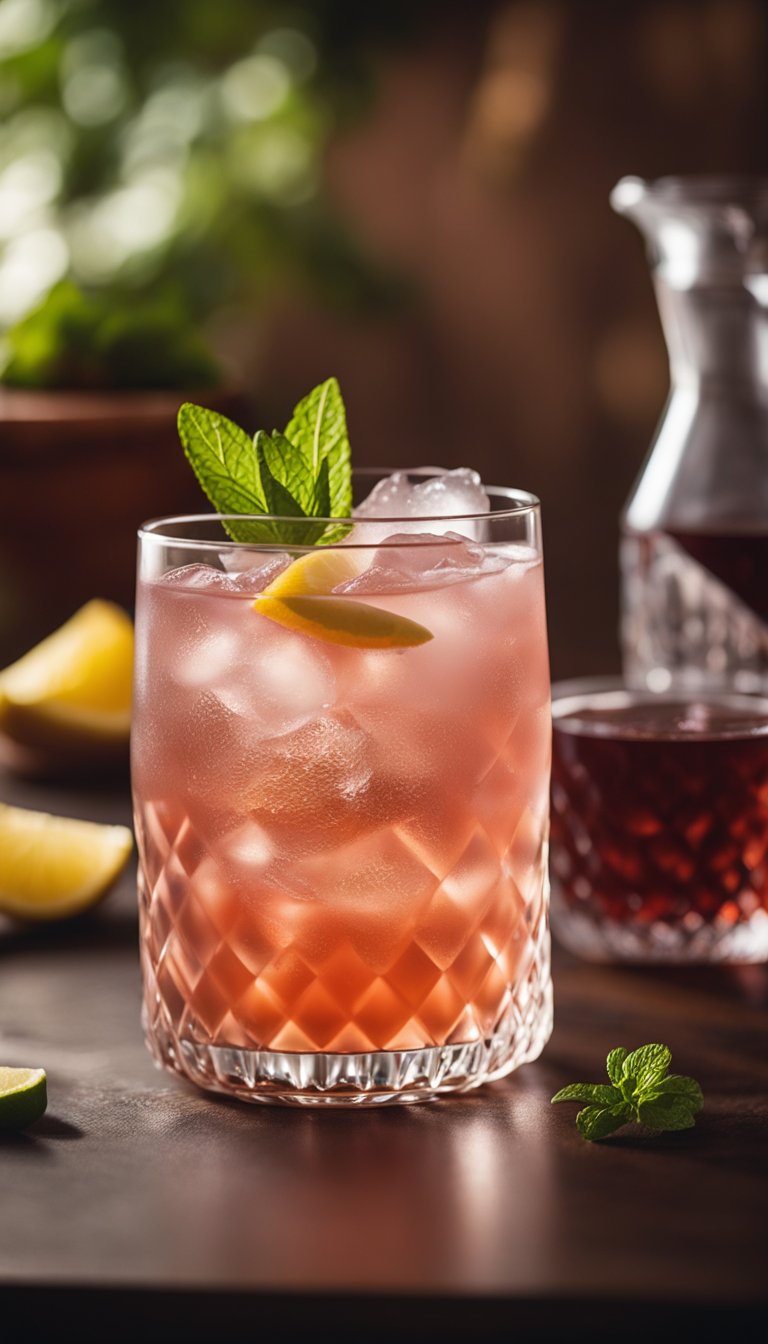
How to navigate the EU and UK Alcohol-Free Spirit Market Challenges Important Insights to Ensure Success
II. Regulatory Hurdles
On the EU and UK market for alcohol-free spirits regulatory hurdles can be a huge issue for businesses. Understanding and complying with the complex web of regulations is crucial for success.
A. EU Regulations
Summary of EU Regulations on Alcohol-Free Spirits
The European Union has established rigorous regulations to ensure the security and quality of food and beverages, as well as alcohol-free spirits. These regulations cover different aspects of the formulation of products branding, product labeling and marketing.
Compliance Challenges and Implications
Achieving compliance with EU regulations is vital for businesses operating in this market. Failure to comply with the rules can lead to significant fines and reputational damage. You must stay abreast on the evolving regulatory landscape that may require regular modifications to the formulation of products as well as the labeling.
B. UK Regulations
Overview of UK regulations governing alcohol-free spirits
Following the UK’s exit from the EU It has created its own set rules regarding alcohol-free spirits. These rules may differ from EU regulations, and firms operating in the UK must be knowledgeable of the new rules.
Unique Problems in the Post-Brexit Era
Understanding the UK regulatory system post-Brexit is a set of distinct challenges. The need to adapt to new rules and regulations is necessary for ensuring that products continue to be sold on the UK market. Becoming aware and proactive in complying with the latest regulations is crucial.
III. Competitive Landscape
The alcohol-free spirit market in both the EU and UK is witnessing a surge in competition. Understanding the nuances of this market is crucial for businesses aiming to grow.
A. Proliferation of Brands
The emergence of alcohol-free Spirit Brands
The demand for alcohol free spirits has led to the growth of new brands in the market. While this diversity provides consumers with options, it can also increase competition for businesses.
Standing out in a crowded Market
To be successful, companies must differentiate themselves from their competition. This means not just offering quality products, but also designing strong brand identities and successful marketing strategies.
B. Pricing Pressures
Competitive Pricing Strategies
Price competition is fierce in the alcohol-free spirit market. The majority of consumers are price-sensitive and businesses frequently employ pricing strategies to gain an edge.
Balancing Quality and Affordability
Finding the perfect combination of offering cheap products and ensuring quality is a difficult task. Cut costs too fast can affect the quality of the product.
C. Innovation and Product Differentiation
Importance of Innovation
Innovation is the primary driver of success in this industry. businesses that develop distinctive and appealing alcohol-free products offer a distinct advantage.
Navigating Consumer Trends
Be aware of and adapting to changes in consumer preferences and trends including the growing demand for exotic tastes or sustainability, is vital to remain relevant.
As we continue to investigate the issues in and around the EU and UK market for alcohol-free spirits, the next article will dive into the shifting environment of consumer expectations and the way businesses can adjust for them.
Navigating the EU and UK Alcohol-Free Spirit Market Challenges For immediate help, read these tips for success.
III. The changing expectations of consumers
In the ever-changing world and dynamism of EU and UK market for alcohol-free spirits, consumer expectations change constantly. Achieving these expectations is essential to the success of your business.
A. Flavor Variety and authenticity
It is the Quest for Unique Flavors
Consumers are today increasingly looking for the most innovative and exotic flavors. They want alcohol-free spirits that aren’t just a substitute for traditional drinks but also a distinct sensory experience.
Challenges for Businesses
Responding to the demand for varied authentic and authentic flavors poses a challenge for companies. Finding the best ingredients, which are of high quality and natural, and enhancing flavor profiles requires an amount of time and expertise.
B. Well-being and Health Trends
Growing Health Consciousness
Health-conscious consumers are gaining popularity this is driving the demand of alcohol-free spirits that meet their health goals. They want products that are low in calories, without sugar, and comprised of wholesome ingredients.
Balanced Health and Taste
Balance the taste and attraction of alcohol-free spirits while incorporating healthy attributes can be a challenge. Companies must make investments in the research and development in order to produce products that satisfy both aspects.
C. Sustainability and Ethical Practices
The Rise of Sustainability
Sustainability is of paramount importance for consumers of today. Consumers want companies that are eco-friendly from the source of ingredients to packaging.
Building ethical brands
The pressure on businesses is increasing to adopt sustainable and ethical practices. This entails not just environmentally-friendly production but also transparency in ethical supply chain sourcing and supplier ethics.
D. Accessibility and Convenience
On-the go lifestyles
Many people lead hectic lives and prefer easy options for drinking alcohol-free spirits. Products that are easy to transport, store, as well as mix are highly sought-after.
Meeting Accessibility Needs
The packaging of their products the size of servings, serving sizes, and the accessibility of their products to meet consumer needs for convenience.
IV. Strategies to meet changing consumer Expectations
As expectations for consumers continue to develop, businesses in EU or UK alcohol-free spirits markets have to be able to adapt in order to succeed. Here are some ideas to consider:
A. Innovation and Product Development
Continual Innovation
Spend money on research and development to come up with unique and varied flavors that meet changing tastes.
Health-conscious Formulations
Develop products that conform to well-being and health trends by focusing on features such as the absence of sugar and natural ingredients.
B. Sustainability and ethical practices
Environmental Responsibility
Use sustainable production, sourcing and packaging practices in order to appeal to eco-conscious consumers.
Transparency as well as Ethics
Communicate your commitment to ethical supply chain and sourcing practices to establish confidence in consumers.
C. Marketing and Branding
An Effective Way to Tell Stories
Create compelling brand tales that are in tune with consumers’ preferences for a variety of flavors with a healthy lifestyle, as well as sustainability.
Educational Campaigns
Be aware of the benefits and use of alcohol-free spirits aiding them in making informed choices.
In the next segment, we’ll analyze the role of marketing and distribution strategies for dealing with the challenges of the EU as well as the UK alcohol-free spirit market.

The EU and the UK Alcohol-Free Spirit Market Need Help Now!
IV. Strategies for meeting evolving consumer Expectations
As expectations of consumers in consumer expectations in the EU as well as the UK alcohol-free spirits market keep changing, businesses must implement effective strategies in order for staying competitive and meeting the ever-changing needs. In this article we’ll go over actionsable strategies for dealing with these challenges effectively.
A. Innovation and Product Development
Continuous Innovation: Keeping Ahead of Flavor Trends
In the world of alcohol-free spirits, innovation is an essential ingredient. To keep up with the changing expectations of consumers of unique flavors, brands should continue to invest in testing and developing. This is a means of experimenting with numerous natural ingredients like botanicals, herbal extracts, and spices for creating unique flavor profiles that differentiate themselves from a market.
Professional Tip Work with experts in flavor and mixologists to create unique and memorable taste experiences.
Balanced Taste and Health: Meeting Wellness Expectations
The increased attention given by consumers to fitness and wellness poses an opportunity and a problem. While the production of delicious alcohol-free spirits is essential, it’s equally important to conform to healthy fashions. This means providing products that contain fewer calories and sugars, and made from healthy ingredients. The right balance between flavor and health is a tricky task, yet it is a vital one.
Pro Tips: Conduct tasting tests and surveys to improve the flavor of your product and nutritional qualities.
B. Sustainability and Ethical Practices
Environmental Responsibility: Going Green to Market Appeal
Sustainability is not just a niche topic it’s a common expectation. The majority of consumers are choosing brands that have a green conscience. To meet this expectation, businesses need to adopt sustainable methods throughout their entire production process. This includes sourcing ingredients responsibly making sure that they reduce waste and making use of environmentally friendly packaging.
Pro Tips: Highlight your sustainability initiatives on product packaging and marketing materials to attract eco-conscious buyers.
Transparency. Ethics The Building of Trust Through Honesty
In today’s market Transparency and ethical practices are paramount. Consumers want to know more than only what’s inside their alcohol-free spirits, but also the way in which those ingredients are sourced and whether ethical practices are followed. In order to build trust, businesses must make clear their commitment to ethical sourcing, fair labor practices and open supply chains.
Pro Tips Tell stories and share images of your production and sourcing methods on social media and your site to demonstrate your commitment for transparency.
C. Marketing and Branding
Good Storytelling: Creating Credible Brand Narratives
Branding success in the alcohol-free spirit market is dependent on effective storytelling. Create a compelling narrative for your brand that resonates with your customers’ desire for distinctive flavors, eco-friendly choices, and sustainability. Your story must be more than words. It must convey the essence of your brand’s philosophy and values.
Best Practice: Utilize multimedia content, including podcasts and videos, to tell your brand’s story in a compelling way.
Educational Campaigns: Empowering Consumers Using Knowledge
A large portion of the population is unfamiliar with the idea that alcohol-free spirit is a good thing. In this regard, educational programs can play a pivotal role in informing consumers about the benefits and advantages of these spirits. The content should educate consumers about the best ways to incorporate alcohol-free spirits into mocktails, cocktails as well as a range of recipes.
Pro Tip: Create an exclusive page on your website that contains recipe ideas, cocktails and usage guides to assist consumers with the use of your products.
In the next section in the next section, we’ll consider the role of marketing and distribution strategies to navigate the complexities facing both the EU as well as the UK alcohol-free spirit markets.
How to navigate the EU and UK Alcohol-Free Spirit Markets Tips for Success
V. Conclusion Charting a Course to the Future
In this complete series of navigating the challenges of the EU and UK spirit market that is alcohol-free, we’ve explored a range of facets of this dynamic market. From studying the market landscape to designing compelling product offerings and strategies we’ve covered all. As we wrap up this series, let’s recap the most important insights from each section, and then chart how we can move forward.
I. Decoding the Market Landscape
In the initial installment of this series, we explored the core of the EU and UK alcohol-free spirit market. In this part, we examined the market’s growth, trends, and the elements that drive the demand for alcohol-free alternatives. We discovered that:
- The alcohol-free spirit market is on a fast-growing trajectory, driven by health-conscious consumers and the desire for unique flavors.
- Understanding the preferences of consumers markets, dynamics of the market, and rules is vital to be successful in this industry.
II. Designing and creating unique and appealing products
In the second part, we looked at the art, as well as technique of creating alcohol-free spirits which entice consumers. Important takeaways include:
- Constant innovation and a keen eye to flavor trends are essential for staying ahead in the market.
- Achieving a balance between taste and health is a delicate, but crucial task in order to meet ever-changing consumer needs.
III. Sustainability and ethical Practices
The third and final installment of our series, we stressed our importance on sustainability as well as ethical practices. We discovered that:
- Adopting sustainable practices from manufacturing to packaging, can be beneficial to the environment but also attractive to eco-conscious buyers.
- Transparency as well as ethical sourcing help build an atmosphere of trust that resonates with customers who value responsible business practices.
IV. Strategies to meet changing consumer Expectations
The fourth part focused on strategies to meet the ever-changing expectations of the consumer. Important insights included:
- Continuous improvement, innovation, and alignment with wellness trends are critical to success.
- Sustainable practices and ethical sourcing are crucial for long-term market appeal.
- Successful storytelling techniques and campaigns for education empower consumers and enhance brand loyalty.
V. Conclusion Charting a Course for the Future
In the final installment of our series, we’ve been reflecting on the wealth and depth of knowledge provided throughout our exploration into the EU as well as the UK whisky market that is alcohol-free. It’s clear that the market has plenty of opportunities for the growth and development of businesses. Firms that are able navigate barriers, find ways to innovate and align themselves with the values of their customers are set for a prosperous future.
As we close this series, bear in mind that the alcohol-free spirits market will continue evolving. new trends will emerge and expectations of consumers will change as well as regulations can change. Being flexible, informed and receptive are the keys to success in this ever-changing business.
In conclusion that, whether you’re trying to break into the market or an existing player trying to grow your presence the knowledge provided in this series serve as an essential compass. Through understanding the market, creating distinctive products, embracing sustainability, and adjusting to the expectations of consumers in this EU or UK the alcohol-free spirit markets confidently.
Thank you for coming along on this journey through the lands of alcohol-free liquor. We wish you luck and prosperity in navigating the thrilling challenges and opportunities in the future.