The market for alcohol-free spirits in both the European Union (EU) and the United Kingdom (UK) is experiencing record-breaking growth. As more consumers seek alternatives to traditional alcohol drinks, the demand for alcohol-free spirits has risen. While this offers significant opportunities for companies, it also presents a myriad of issues that need to be addressed to thrive in this dynamic market.
In this thorough guide, we’ll take a look at the different challenges faced by businesses operating in both the EU as well as the UK alcohol-free spirits market. The guide will examine the regulatory obstacles, competitive market, shifting consumer expectations, and distribution challenges that can hinder your growth. Through the course of this article, you’ll gain valuable insights into these challenges and become better ready to face them with confidence.
II. Hurdles in Regulatory Hurdles
A. EU Regulations
Overview of EU Regulations on Alcohol-Free Spirits
In the EU, regulations surrounding alcohol-free spirits can be complex and strict. These rules are put in place to protect the integrity and safety of all beverages and foods that contain alcohol, which includes alcohol substitutes. They include aspects such as ingredient labeling, health claims, and maximum levels that can be allowed for certain substances.
Insights on Compliance Issues, Implications for
For companies operating in the EU market, adherence to these rules is not a matter of negotiation. Non-compliance can result in hefty penalties and harm to the image of your business. One of the major challenges is staying on top of the constantly changing regulatory landscape, which can require constant adjustments to your formulations or labels.
B. UK Regulations
Overview of UK Regulations on Alcohol-Free Spirits
The UK has its own set of regulations in place for spirits that are alcohol-free. Since it has departed from the EU there is the freedom to create its regulatory framework independently. Businesses operating in the UK market should be aware of these rules and the way they differ from EU standards in certain areas.
Unique challenges in the Post-Brexit Era
It can be difficult to navigate the UK regulatory landscape post-Brexit could be difficult due to the need to adjust to new regulations and standards. Being informed and maintaining compliance is crucial to ensure that your products will continue be sold on the UK market.
In this guide, we will investigate other significant challenges besides regulatory hurdles. Next, we will explore the competitive landscape, and how it affects businesses operating in the spirit market that is alcohol-free.
Your Direct Source for Excellence: Order Boxes of Swedish Distillers’ Alcohol-Free Spirits Now!
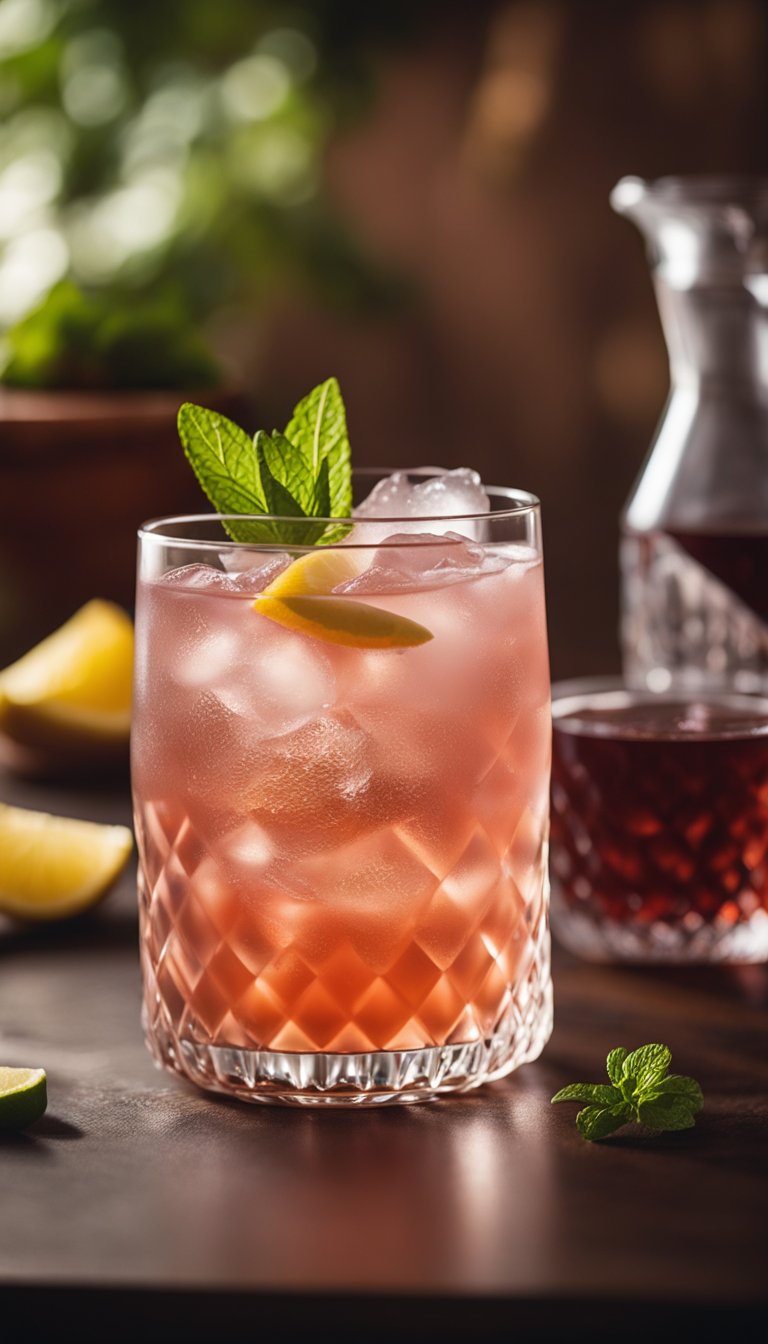
How to navigate the EU and UK Alcohol-Free Spirit Market Challenges Important Insights to Ensure Success
II. Regulatory Hurdles
On the EU and UK market for alcohol-free spirits regulatory hurdles can be a huge issue for businesses. Understanding and complying with the complex web of regulations is crucial for success.
A. EU Regulations
Summary of EU Regulations on Alcohol-Free Spirits
The European Union has established rigorous regulations to ensure the security and quality of food and beverages, as well as alcohol-free spirits. These regulations cover different aspects of the formulation of products branding, product labeling and marketing.
Compliance Challenges and Implications
Achieving compliance with EU regulations is vital for businesses operating in this market. Failure to comply with the rules can lead to significant fines and reputational damage. You must stay abreast on the evolving regulatory landscape that may require regular modifications to the formulation of products as well as the labeling.
B. UK Regulations
Overview of UK regulations governing alcohol-free spirits
Following the UK’s exit from the EU It has created its own set rules regarding alcohol-free spirits. These rules may differ from EU regulations, and firms operating in the UK must be knowledgeable of the new rules.
Unique Problems in the Post-Brexit Era
Understanding the UK regulatory system post-Brexit is a set of distinct challenges. The need to adapt to new rules and regulations is necessary for ensuring that products continue to be sold on the UK market. Becoming aware and proactive in complying with the latest regulations is crucial.
III. Competitive Landscape
The alcohol-free spirit market in both the EU and UK is witnessing a surge in competition. Understanding the nuances of this market is crucial for businesses aiming to grow.
A. Proliferation of Brands
The emergence of alcohol-free Spirit Brands
The demand for alcohol free spirits has led to the growth of new brands in the market. While this diversity provides consumers with options, it can also increase competition for businesses.
Standing out in a crowded Market
To be successful, companies must differentiate themselves from their competition. This means not just offering quality products, but also designing strong brand identities and successful marketing strategies.
B. Pricing Pressures
Competitive Pricing Strategies
Price competition is fierce in the alcohol-free spirit market. The majority of consumers are price-sensitive and businesses frequently employ pricing strategies to gain an edge.
Balancing Quality and Affordability
Finding the perfect combination of offering cheap products and ensuring quality is a difficult task. Cut costs too fast can affect the quality of the product.
C. Innovation and Product Differentiation
Importance of Innovation
Innovation is the primary driver of success in this industry. businesses that develop distinctive and appealing alcohol-free products offer a distinct advantage.
Navigating Consumer Trends
Be aware of and adapting to changes in consumer preferences and trends including the growing demand for exotic tastes or sustainability, is vital to remain relevant.
As we continue to investigate the issues in and around the EU and UK market for alcohol-free spirits, the next article will dive into the shifting environment of consumer expectations and the way businesses can adjust for them.
Navigating the EU and UK Alcohol-Free Spirit Market Challenges For immediate help, read these tips for success.
III. The changing expectations of consumers
In the ever-changing world and dynamism of EU and UK market for alcohol-free spirits, consumer expectations change constantly. Achieving these expectations is essential to the success of your business.
A. Flavor Variety and authenticity
It is the Quest for Unique Flavors
Consumers are today increasingly looking for the most innovative and exotic flavors. They want alcohol-free spirits that aren’t just a substitute for traditional drinks but also a distinct sensory experience.
Challenges for Businesses
Responding to the demand for varied authentic and authentic flavors poses a challenge for companies. Finding the best ingredients, which are of high quality and natural, and enhancing flavor profiles requires an amount of time and expertise.
B. Well-being and Health Trends
Growing Health Consciousness
Health-conscious consumers are gaining popularity this is driving the demand of alcohol-free spirits that meet their health goals. They want products that are low in calories, without sugar, and comprised of wholesome ingredients.
Balanced Health and Taste
Balance the taste and attraction of alcohol-free spirits while incorporating healthy attributes can be a challenge. Companies must make investments in the research and development in order to produce products that satisfy both aspects.
C. Sustainability and Ethical Practices
The Rise of Sustainability
Sustainability is of paramount importance for consumers of today. Consumers want companies that are eco-friendly from the source of ingredients to packaging.
Building ethical brands
The pressure on businesses is increasing to adopt sustainable and ethical practices. This entails not just environmentally-friendly production but also transparency in ethical supply chain sourcing and supplier ethics.
D. Accessibility and Convenience
On-the go lifestyles
Many people lead hectic lives and prefer easy options for drinking alcohol-free spirits. Products that are easy to transport, store, as well as mix are highly sought-after.
Meeting Accessibility Needs
The packaging of their products the size of servings, serving sizes, and the accessibility of their products to meet consumer needs for convenience.
IV. Strategies to meet changing consumer Expectations
As expectations for consumers continue to develop, businesses in EU or UK alcohol-free spirits markets have to be able to adapt in order to succeed. Here are some ideas to consider:
A. Innovation and Product Development
Continual Innovation
Spend money on research and development to come up with unique and varied flavors that meet changing tastes.
Health-conscious Formulations
Develop products that conform to well-being and health trends by focusing on features such as the absence of sugar and natural ingredients.
B. Sustainability and ethical practices
Environmental Responsibility
Use sustainable production, sourcing and packaging practices in order to appeal to eco-conscious consumers.
Transparency as well as Ethics
Communicate your commitment to ethical supply chain and sourcing practices to establish confidence in consumers.
C. Marketing and Branding
An Effective Way to Tell Stories
Create compelling brand tales that are in tune with consumers’ preferences for a variety of flavors with a healthy lifestyle, as well as sustainability.
Educational Campaigns
Be aware of the benefits and use of alcohol-free spirits aiding them in making informed choices.
In the next segment, we’ll analyze the role of marketing and distribution strategies for dealing with the challenges of the EU as well as the UK alcohol-free spirit market.

The EU and the UK Alcohol-Free Spirit Market Need Help Now!
IV. Strategies for meeting evolving consumer Expectations
As expectations of consumers in consumer expectations in the EU as well as the UK alcohol-free spirits market keep changing, businesses must implement effective strategies in order for staying competitive and meeting the ever-changing needs. In this article we’ll go over actionsable strategies for dealing with these challenges effectively.
A. Innovation and Product Development
Continuous Innovation: Keeping Ahead of Flavor Trends
In the world of alcohol-free spirits, innovation is an essential ingredient. To keep up with the changing expectations of consumers of unique flavors, brands should continue to invest in testing and developing. This is a means of experimenting with numerous natural ingredients like botanicals, herbal extracts, and spices for creating unique flavor profiles that differentiate themselves from a market.
Professional Tip Work with experts in flavor and mixologists to create unique and memorable taste experiences.
Balanced Taste and Health: Meeting Wellness Expectations
The increased attention given by consumers to fitness and wellness poses an opportunity and a problem. While the production of delicious alcohol-free spirits is essential, it’s equally important to conform to healthy fashions. This means providing products that contain fewer calories and sugars, and made from healthy ingredients. The right balance between flavor and health is a tricky task, yet it is a vital one.
Pro Tips: Conduct tasting tests and surveys to improve the flavor of your product and nutritional qualities.
B. Sustainability and Ethical Practices
Environmental Responsibility: Going Green to Market Appeal
Sustainability is not just a niche topic it’s a common expectation. The majority of consumers are choosing brands that have a green conscience. To meet this expectation, businesses need to adopt sustainable methods throughout their entire production process. This includes sourcing ingredients responsibly making sure that they reduce waste and making use of environmentally friendly packaging.
Pro Tips: Highlight your sustainability initiatives on product packaging and marketing materials to attract eco-conscious buyers.
Transparency. Ethics The Building of Trust Through Honesty
In today’s market Transparency and ethical practices are paramount. Consumers want to know more than only what’s inside their alcohol-free spirits, but also the way in which those ingredients are sourced and whether ethical practices are followed. In order to build trust, businesses must make clear their commitment to ethical sourcing, fair labor practices and open supply chains.
Pro Tips Tell stories and share images of your production and sourcing methods on social media and your site to demonstrate your commitment for transparency.
C. Marketing and Branding
Good Storytelling: Creating Credible Brand Narratives
Branding success in the alcohol-free spirit market is dependent on effective storytelling. Create a compelling narrative for your brand that resonates with your customers’ desire for distinctive flavors, eco-friendly choices, and sustainability. Your story must be more than words. It must convey the essence of your brand’s philosophy and values.
Best Practice: Utilize multimedia content, including podcasts and videos, to tell your brand’s story in a compelling way.
Educational Campaigns: Empowering Consumers Using Knowledge
A large portion of the population is unfamiliar with the idea that alcohol-free spirit is a good thing. In this regard, educational programs can play a pivotal role in informing consumers about the benefits and advantages of these spirits. The content should educate consumers about the best ways to incorporate alcohol-free spirits into mocktails, cocktails as well as a range of recipes.
Pro Tip: Create an exclusive page on your website that contains recipe ideas, cocktails and usage guides to assist consumers with the use of your products.
In the next section in the next section, we’ll consider the role of marketing and distribution strategies to navigate the complexities facing both the EU as well as the UK alcohol-free spirit markets.
How to navigate the EU and UK Alcohol-Free Spirit Markets Tips for Success
V. Conclusion Charting a Course to the Future
In this complete series of navigating the challenges of the EU and UK spirit market that is alcohol-free, we’ve explored a range of facets of this dynamic market. From studying the market landscape to designing compelling product offerings and strategies we’ve covered all. As we wrap up this series, let’s recap the most important insights from each section, and then chart how we can move forward.
I. Decoding the Market Landscape
In the initial installment of this series, we explored the core of the EU and UK alcohol-free spirit market. In this part, we examined the market’s growth, trends, and the elements that drive the demand for alcohol-free alternatives. We discovered that:
- The alcohol-free spirit market is on a fast-growing trajectory, driven by health-conscious consumers and the desire for unique flavors.
- Understanding the preferences of consumers markets, dynamics of the market, and rules is vital to be successful in this industry.
II. Designing and creating unique and appealing products
In the second part, we looked at the art, as well as technique of creating alcohol-free spirits which entice consumers. Important takeaways include:
- Constant innovation and a keen eye to flavor trends are essential for staying ahead in the market.
- Achieving a balance between taste and health is a delicate, but crucial task in order to meet ever-changing consumer needs.
III. Sustainability and ethical Practices
The third and final installment of our series, we stressed our importance on sustainability as well as ethical practices. We discovered that:
- Adopting sustainable practices from manufacturing to packaging, can be beneficial to the environment but also attractive to eco-conscious buyers.
- Transparency as well as ethical sourcing help build an atmosphere of trust that resonates with customers who value responsible business practices.
IV. Strategies to meet changing consumer Expectations
The fourth part focused on strategies to meet the ever-changing expectations of the consumer. Important insights included:
- Continuous improvement, innovation, and alignment with wellness trends are critical to success.
- Sustainable practices and ethical sourcing are crucial for long-term market appeal.
- Successful storytelling techniques and campaigns for education empower consumers and enhance brand loyalty.
V. Conclusion Charting a Course for the Future
In the final installment of our series, we’ve been reflecting on the wealth and depth of knowledge provided throughout our exploration into the EU as well as the UK whisky market that is alcohol-free. It’s clear that the market has plenty of opportunities for the growth and development of businesses. Firms that are able navigate barriers, find ways to innovate and align themselves with the values of their customers are set for a prosperous future.
As we close this series, bear in mind that the alcohol-free spirits market will continue evolving. new trends will emerge and expectations of consumers will change as well as regulations can change. Being flexible, informed and receptive are the keys to success in this ever-changing business.
In conclusion that, whether you’re trying to break into the market or an existing player trying to grow your presence the knowledge provided in this series serve as an essential compass. Through understanding the market, creating distinctive products, embracing sustainability, and adjusting to the expectations of consumers in this EU or UK the alcohol-free spirit markets confidently.
Thank you for coming along on this journey through the lands of alcohol-free liquor. We wish you luck and prosperity in navigating the thrilling challenges and opportunities in the future.